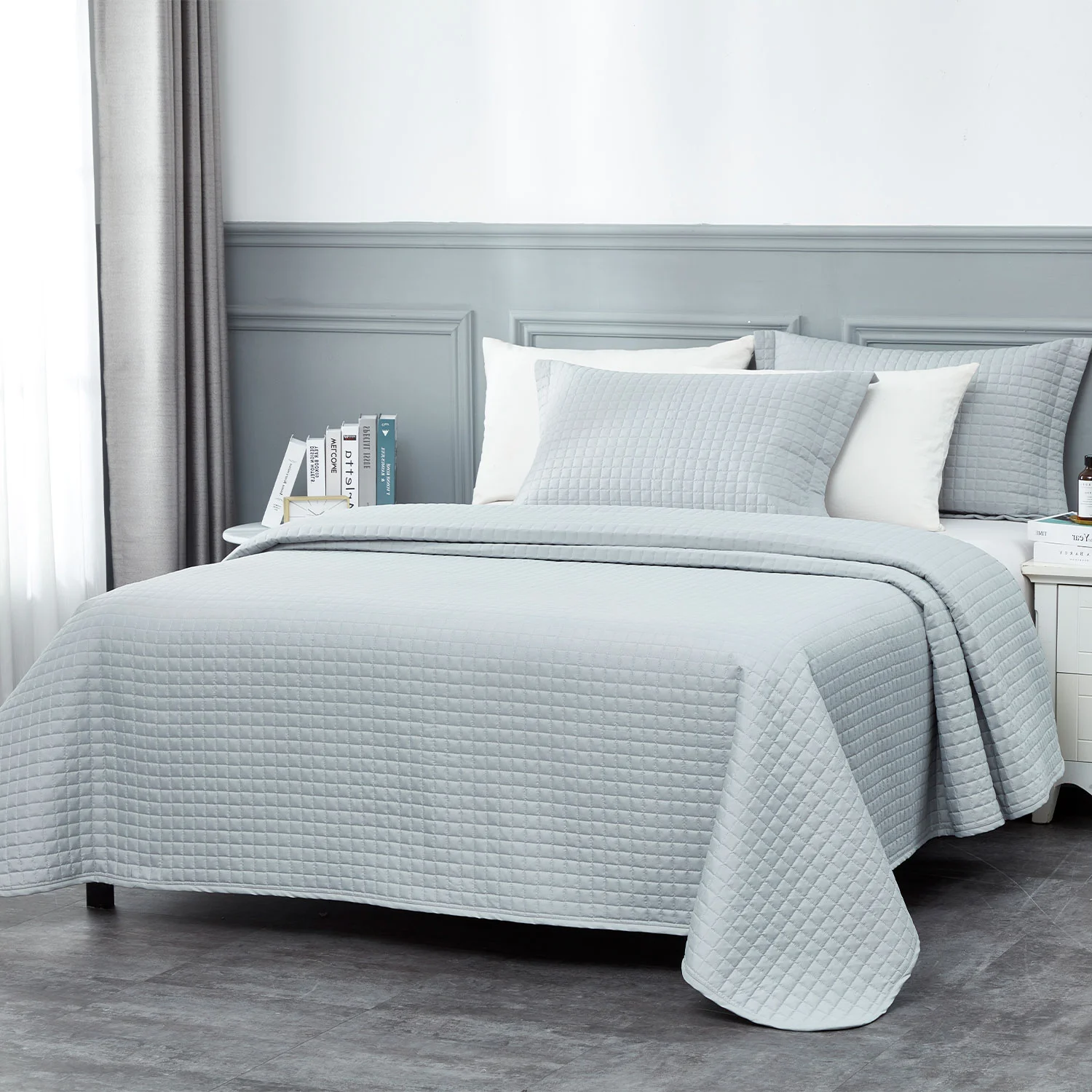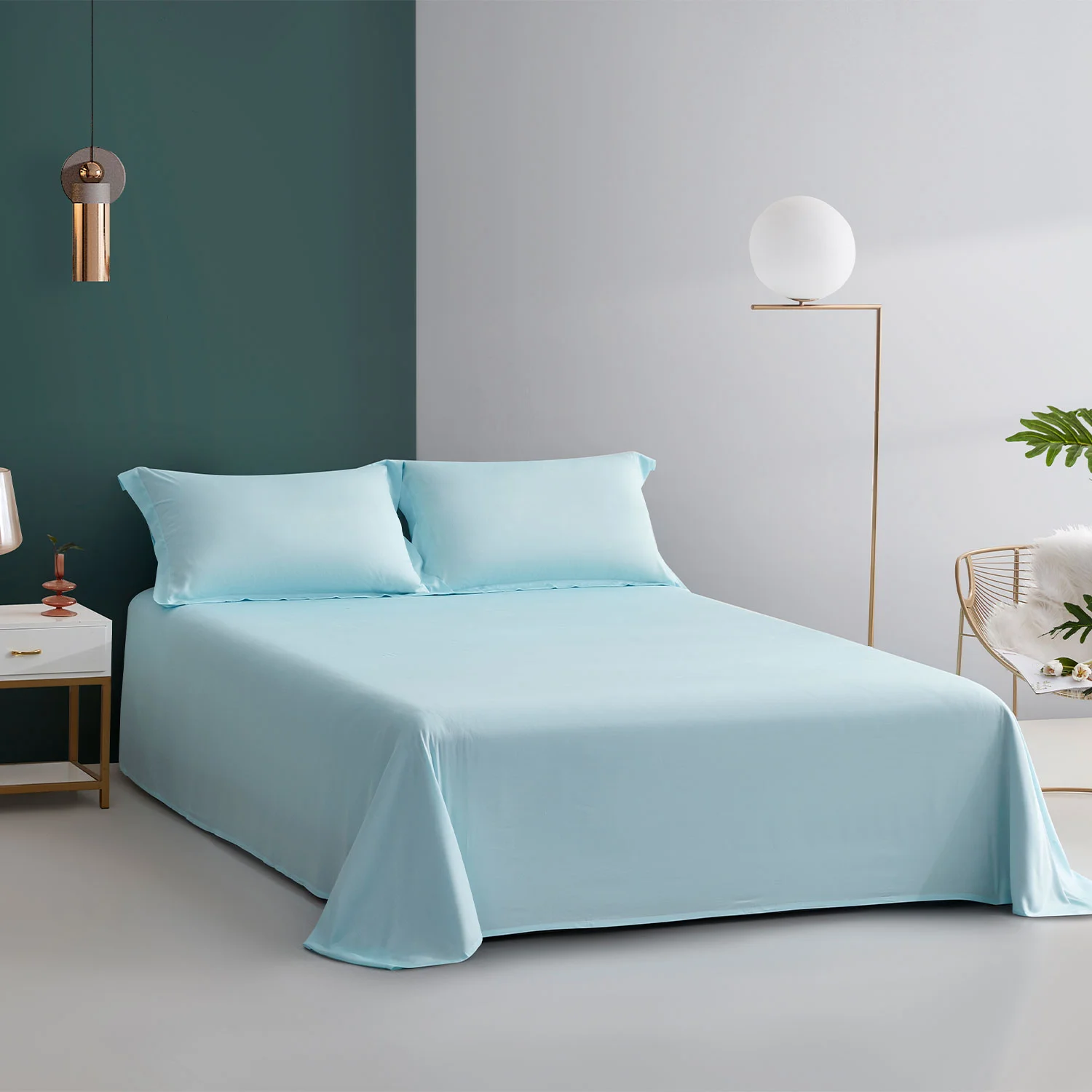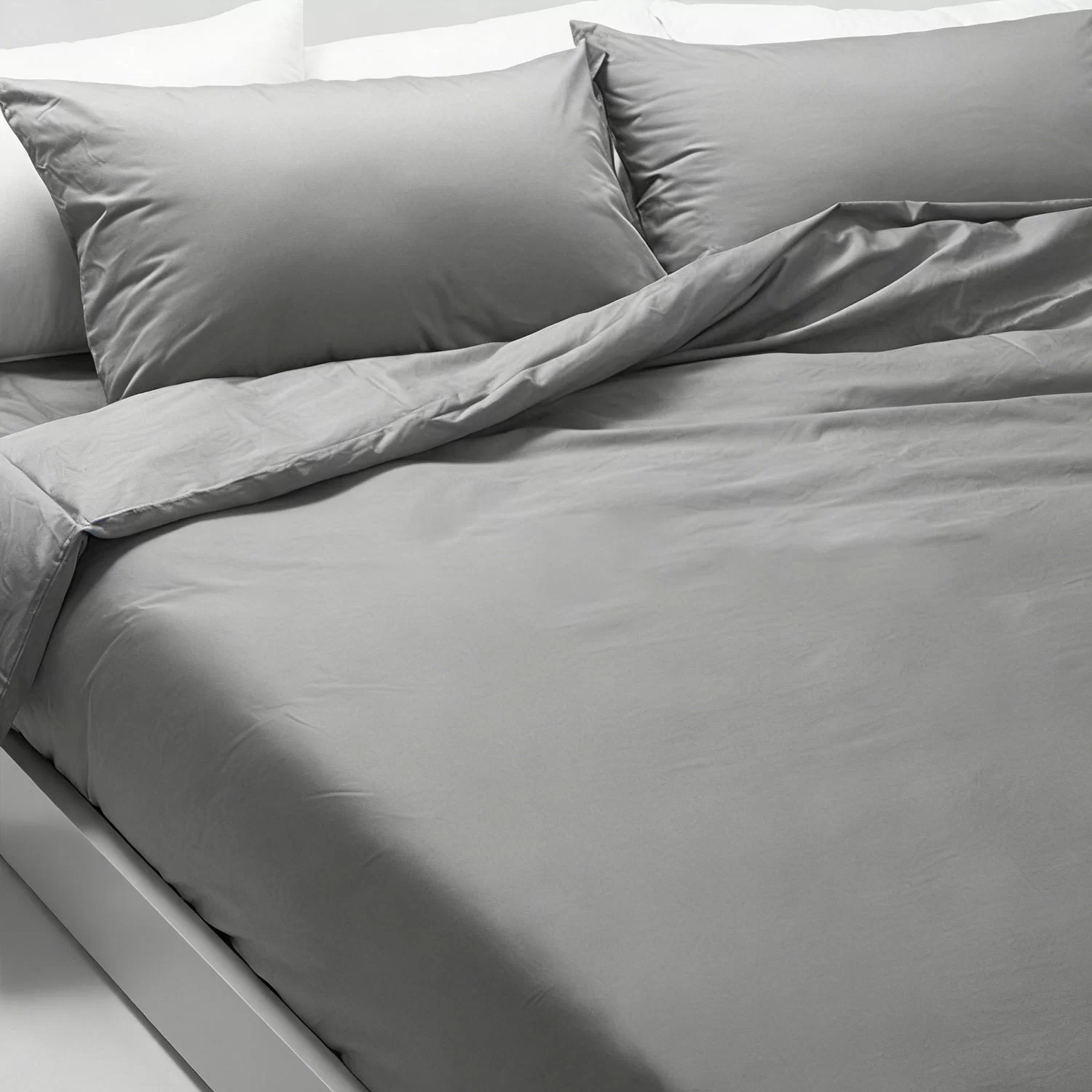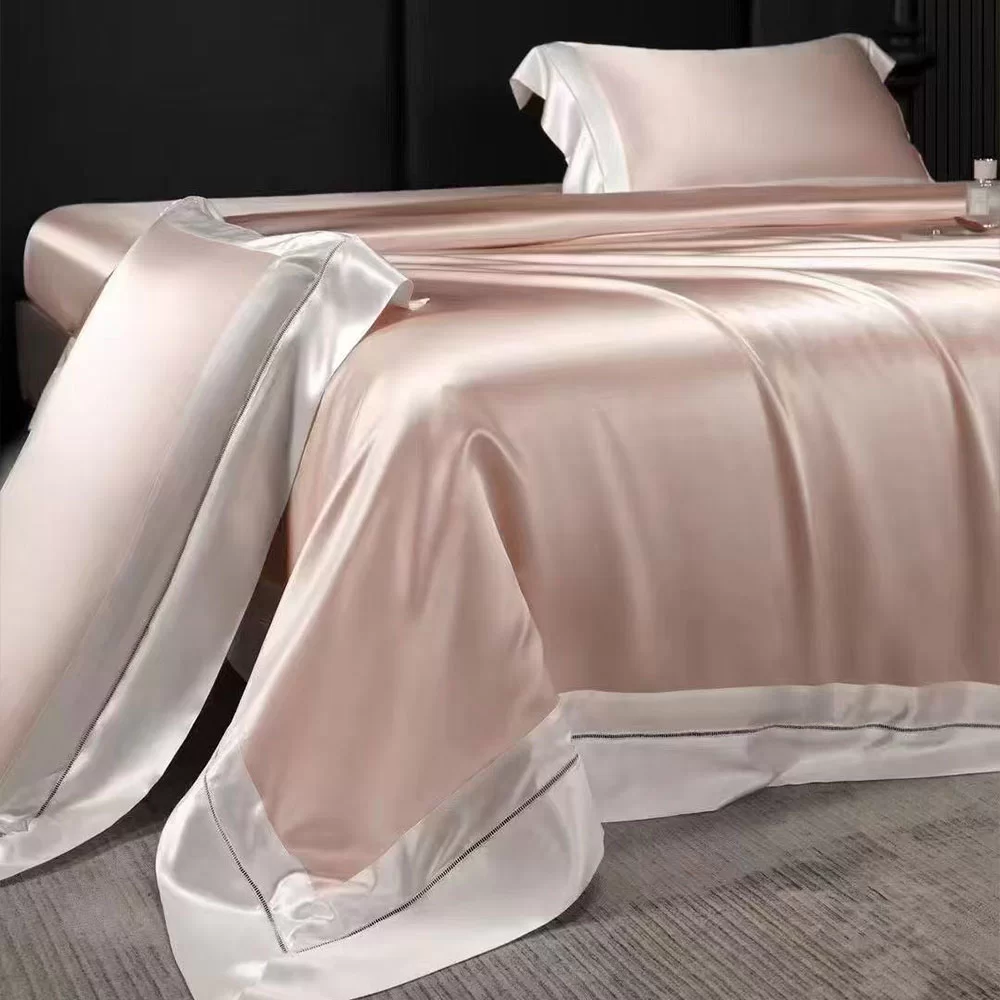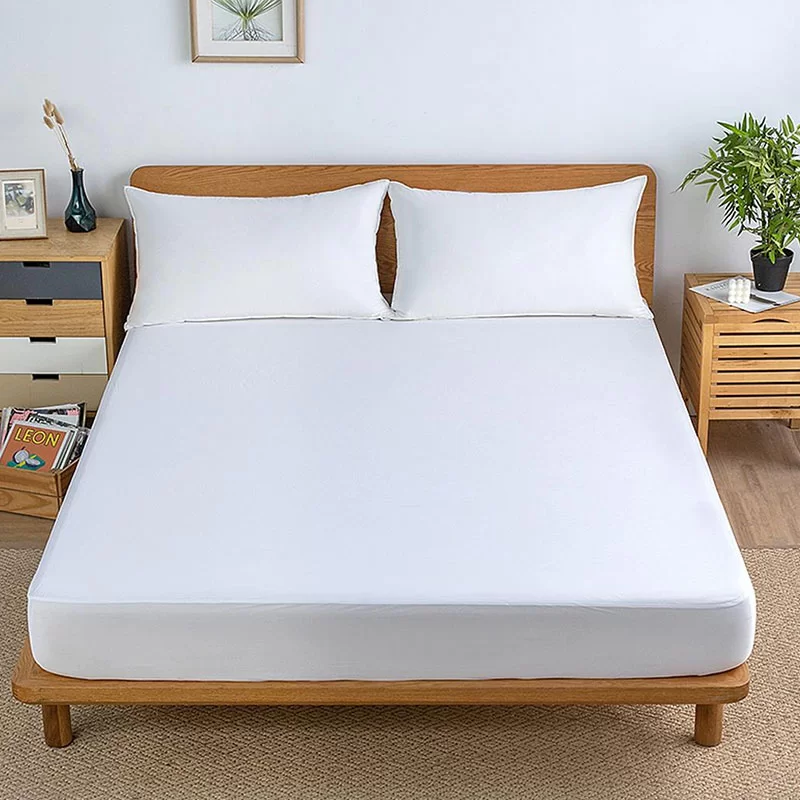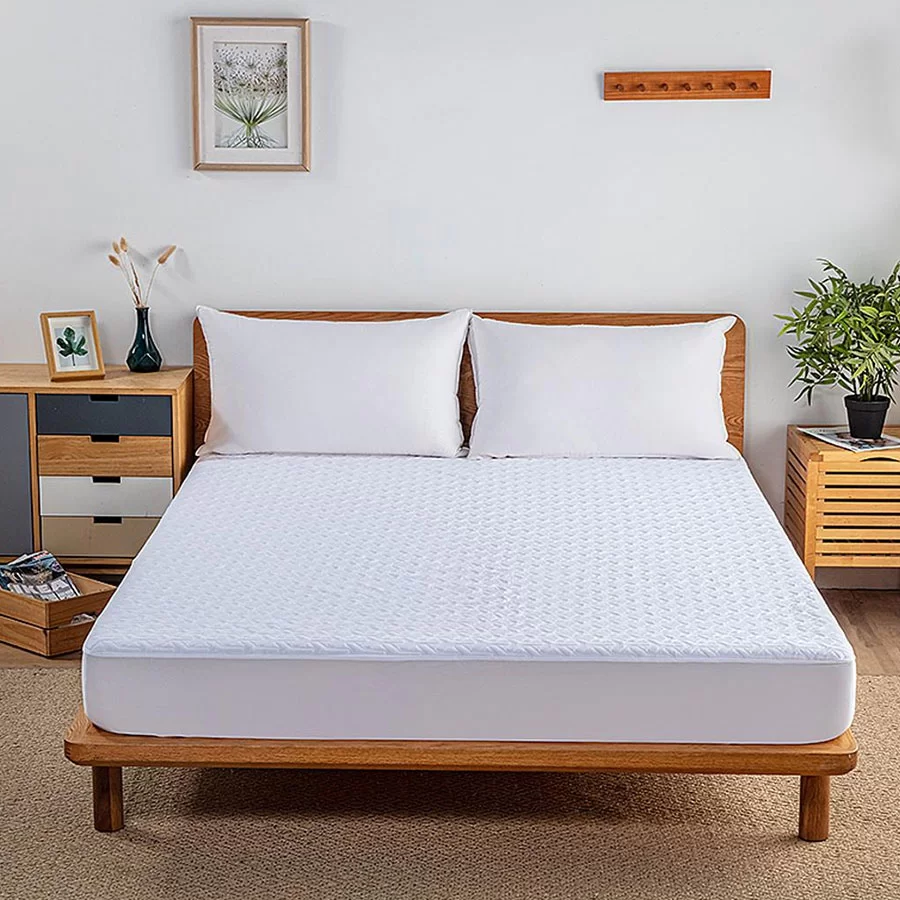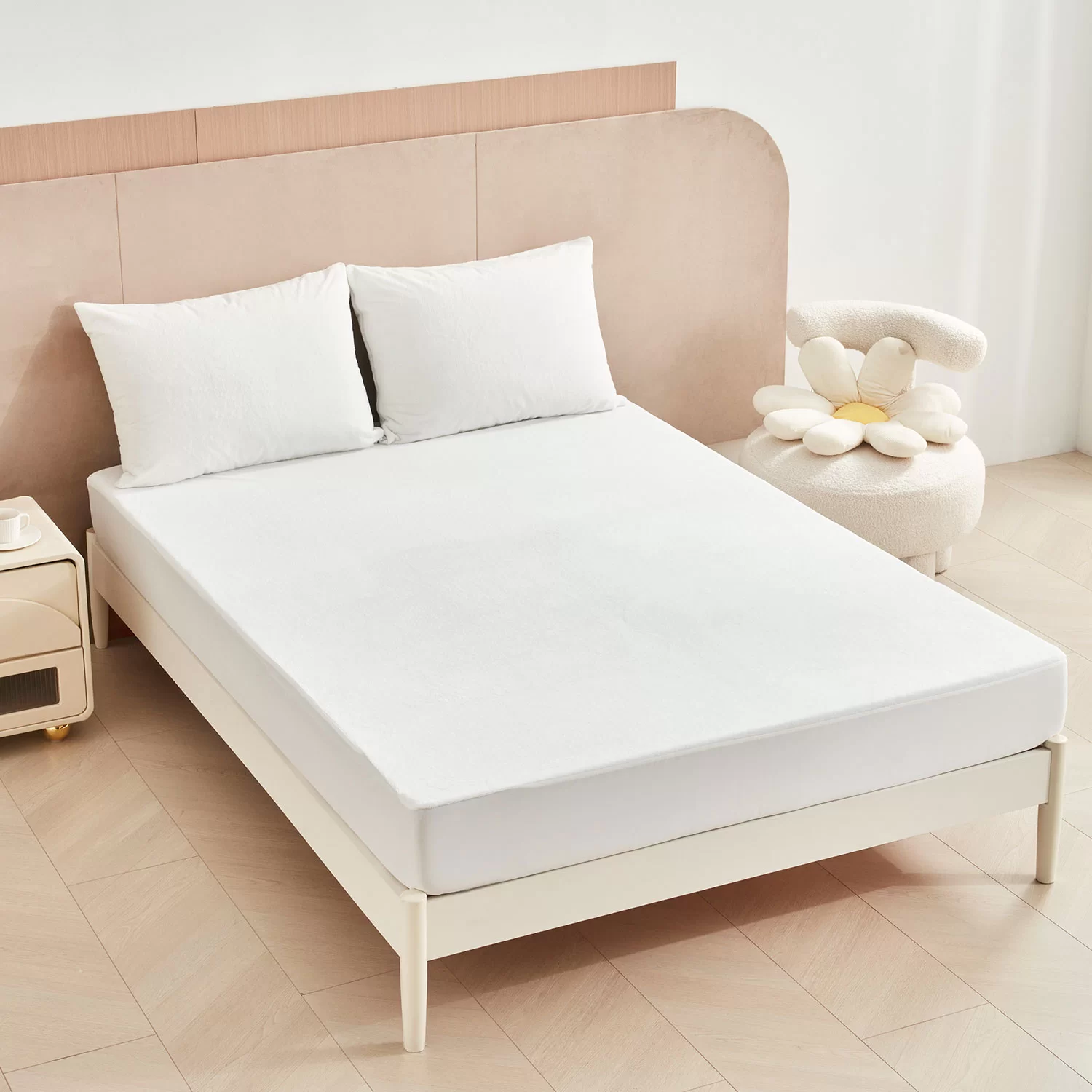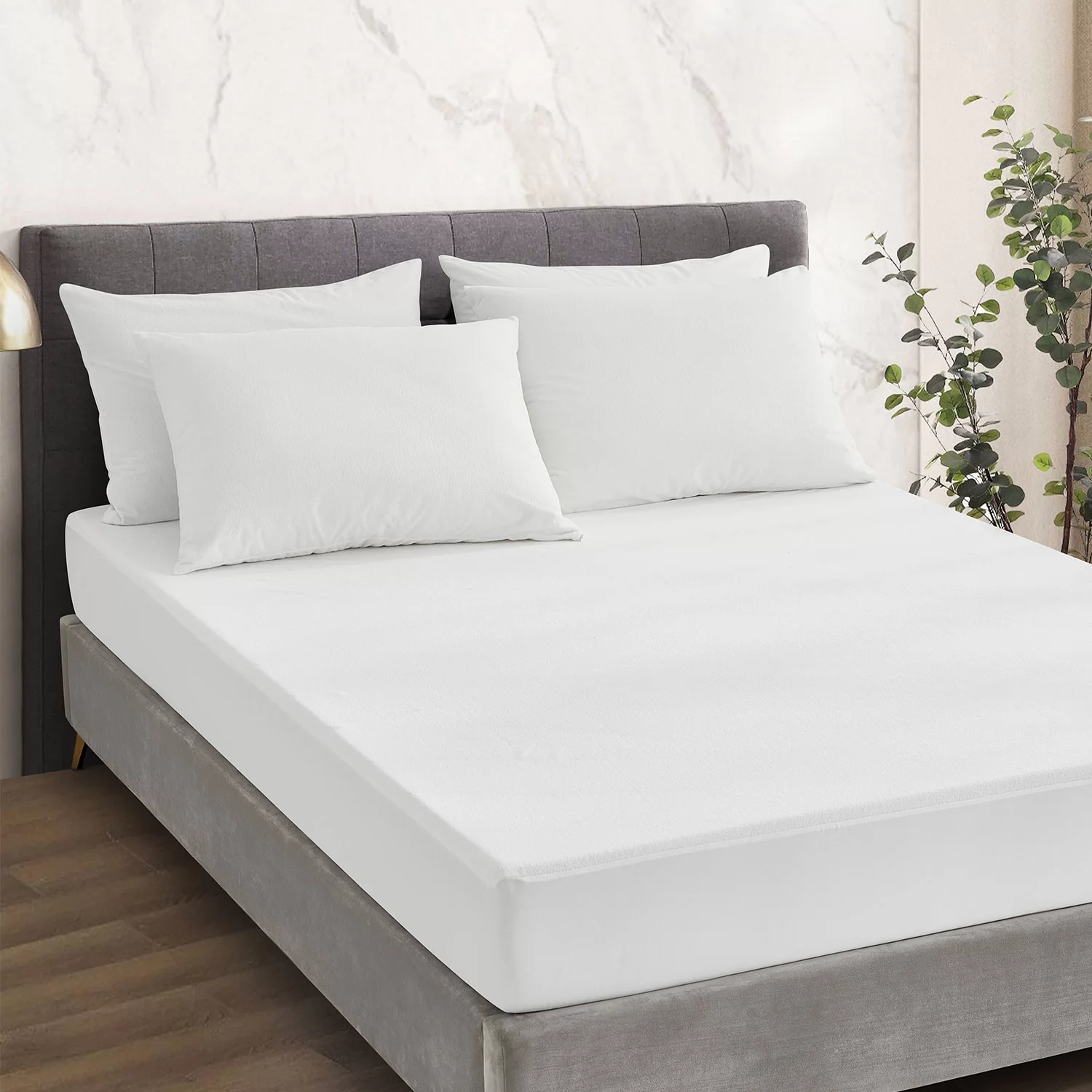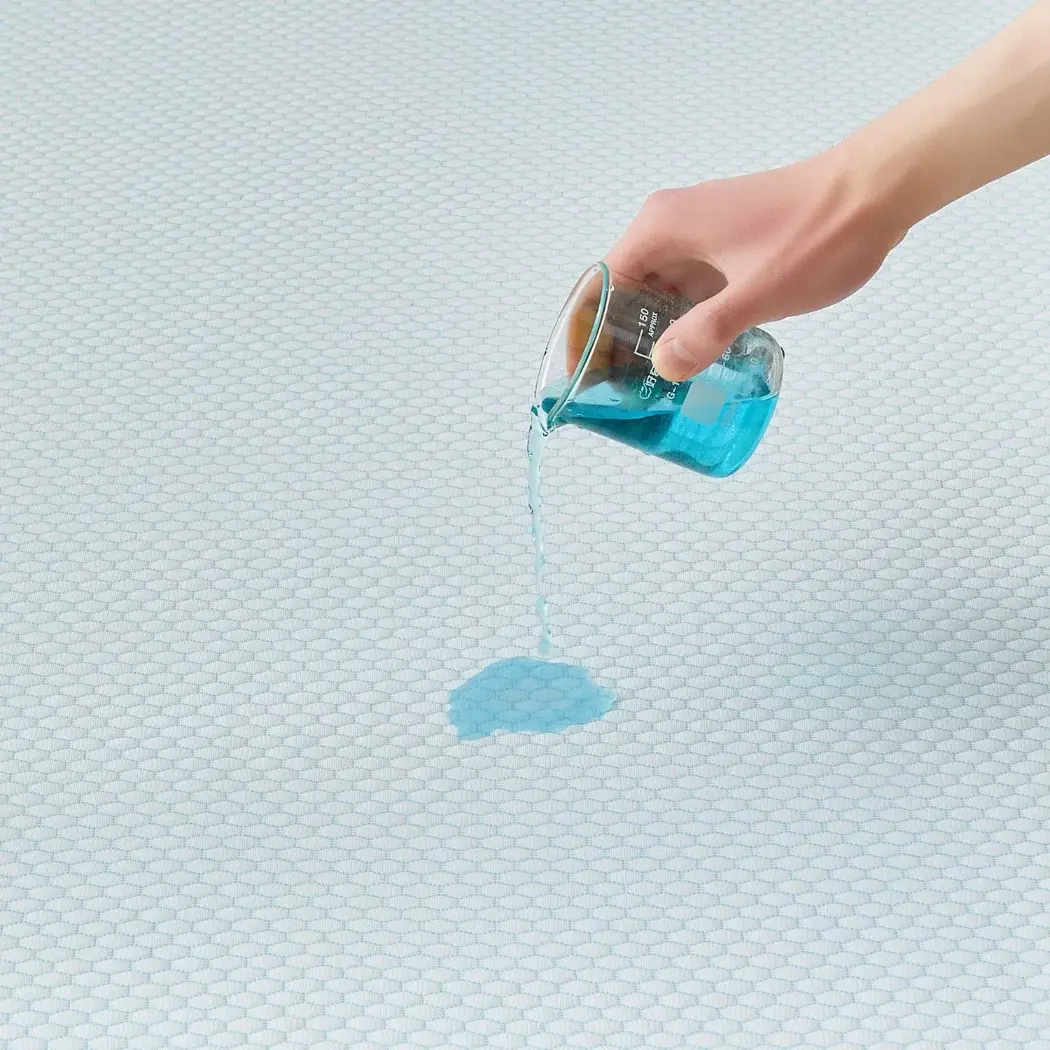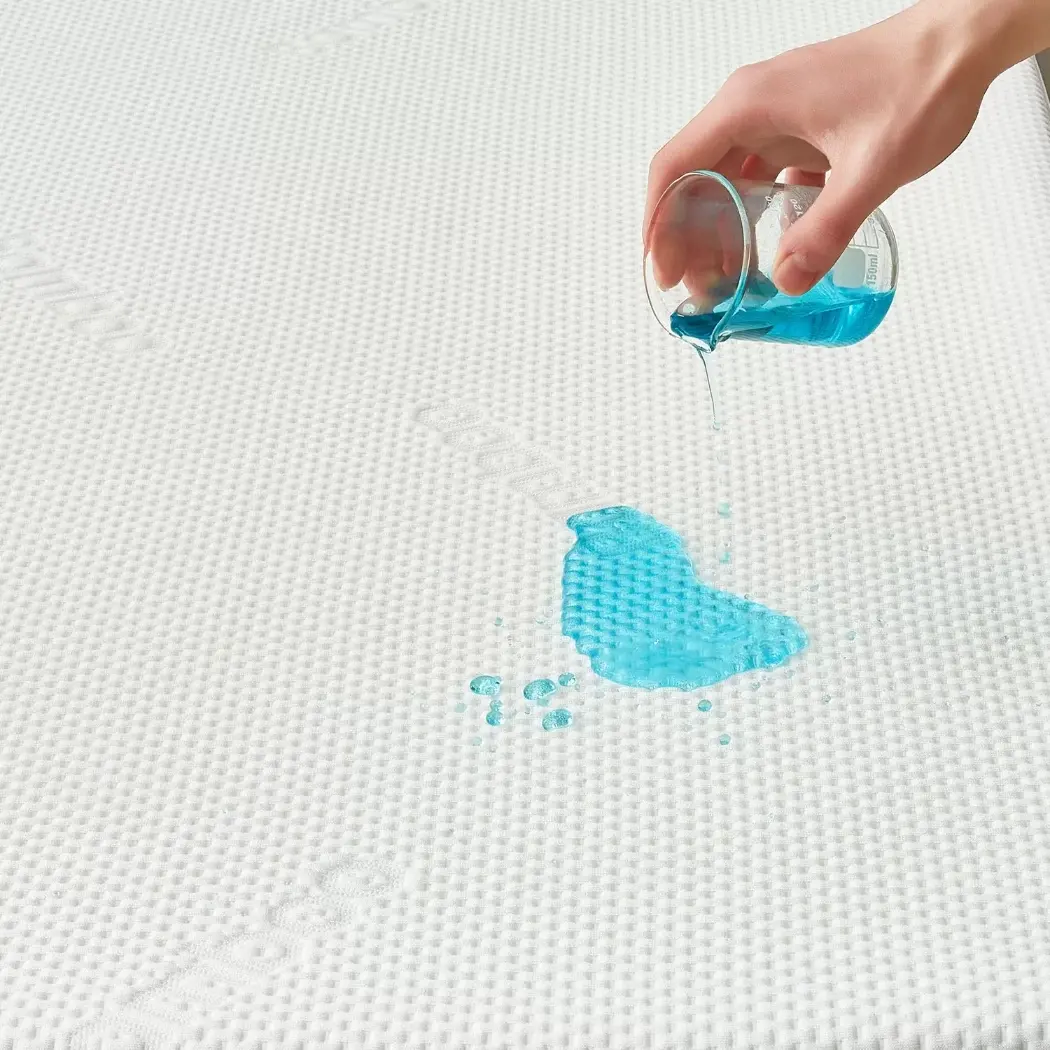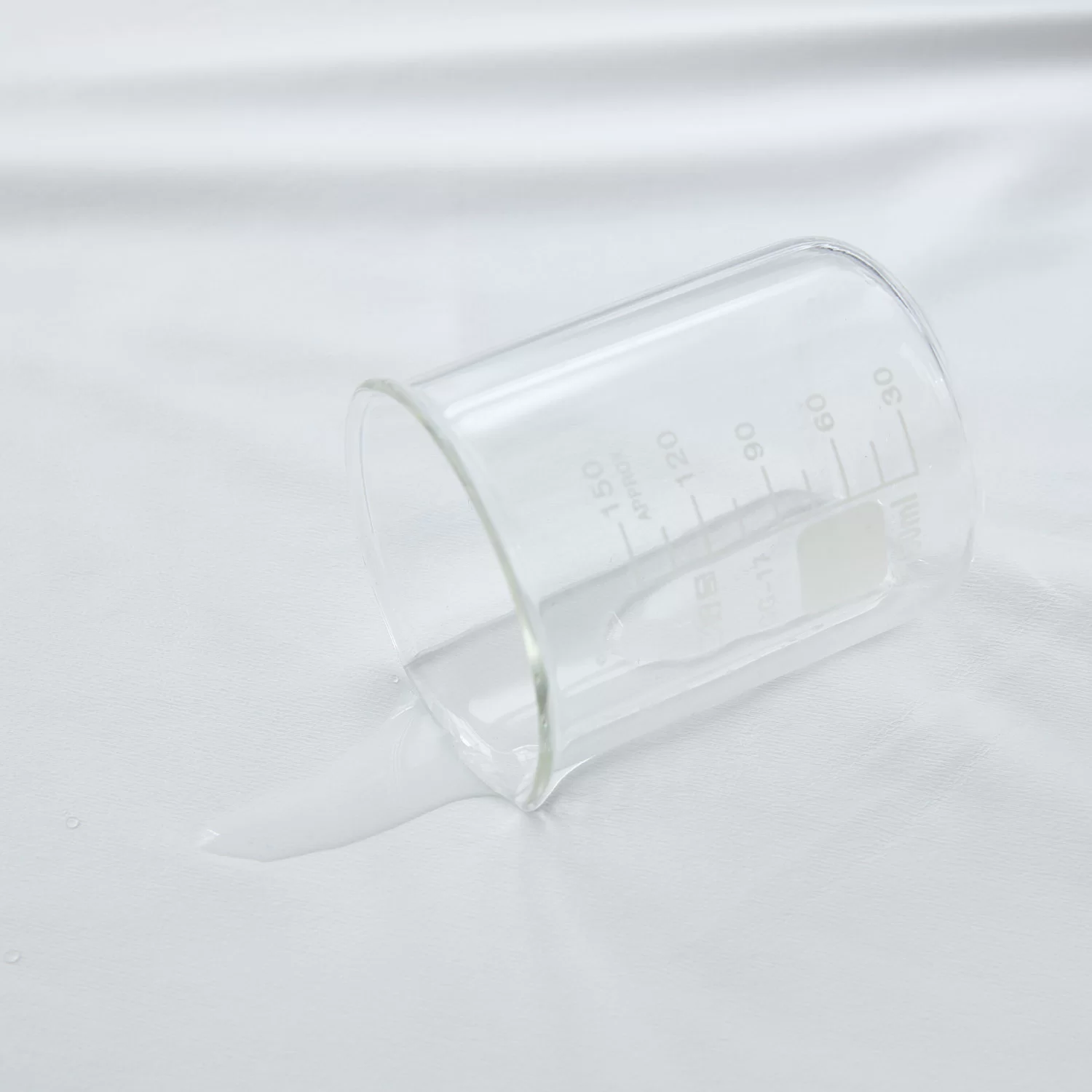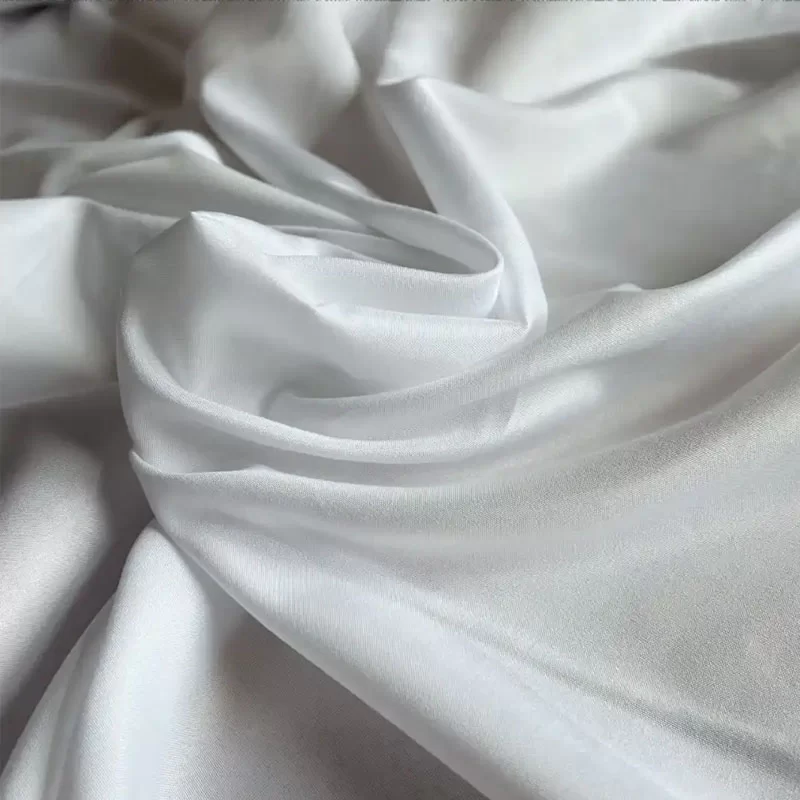
Finding a reliable cotton flat sheet supplier often begins with a critical question: how do you balance the tactile luxury of high-grade cotton with the rigorous durability required for commercial laundry cycles? For procurement managers in the hospitality and healthcare sectors, the flat sheet is not merely a bedding accessory but a fundamental component of guest comfort and operational efficiency. The challenge lies in sourcing textiles that maintain their structural integrity and whiteness after repeated industrial washing.
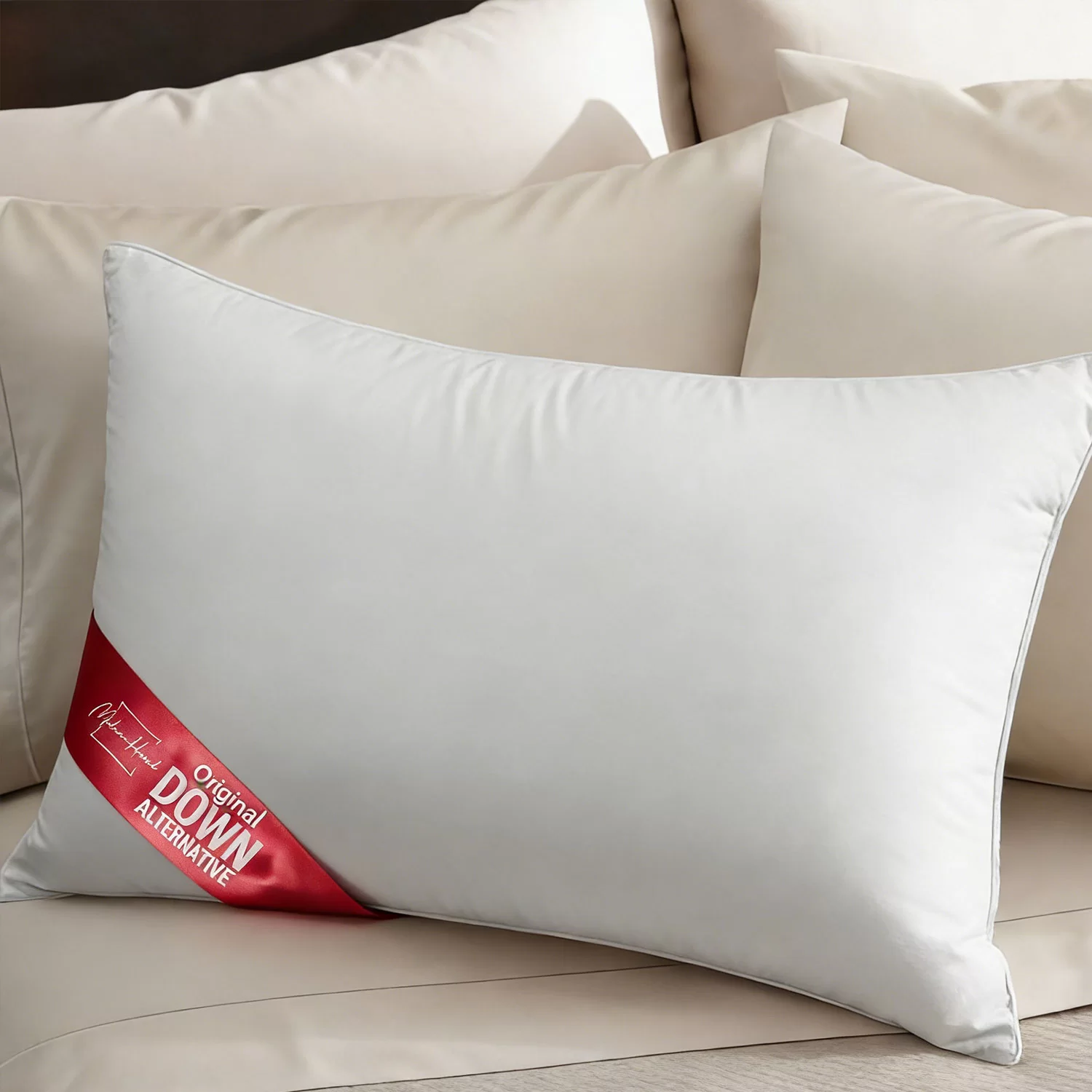
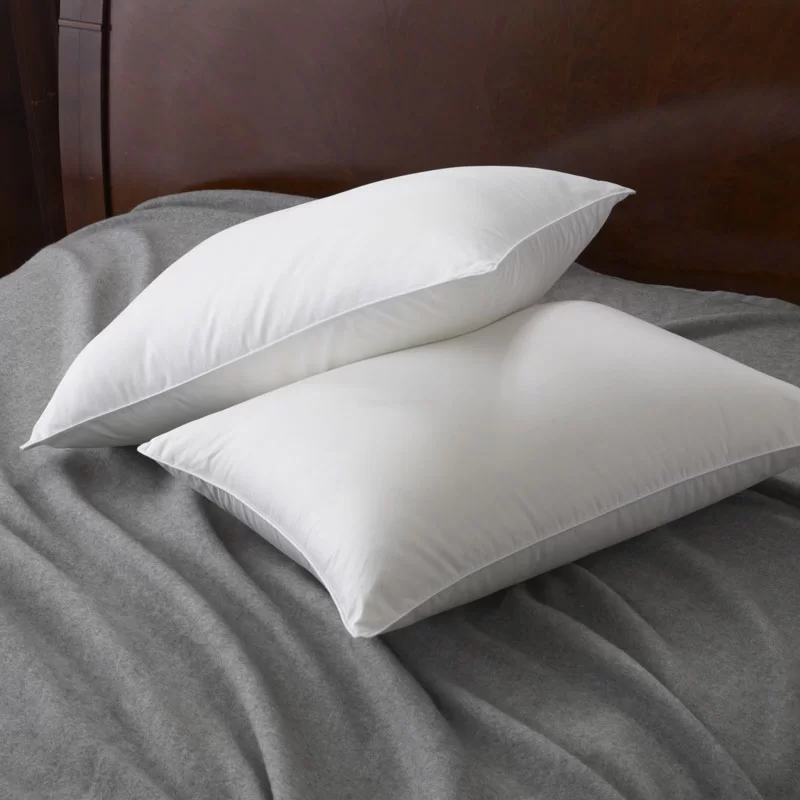
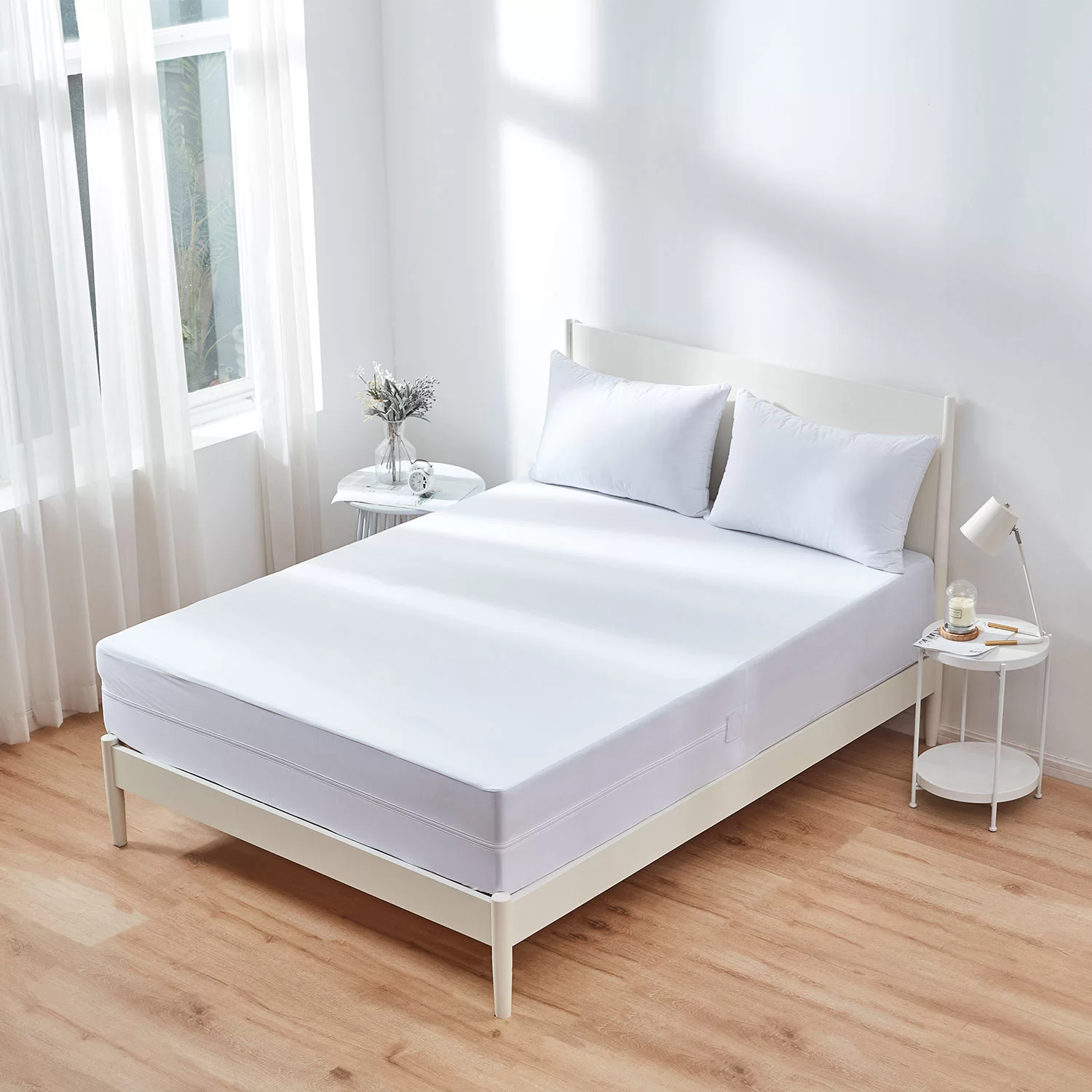
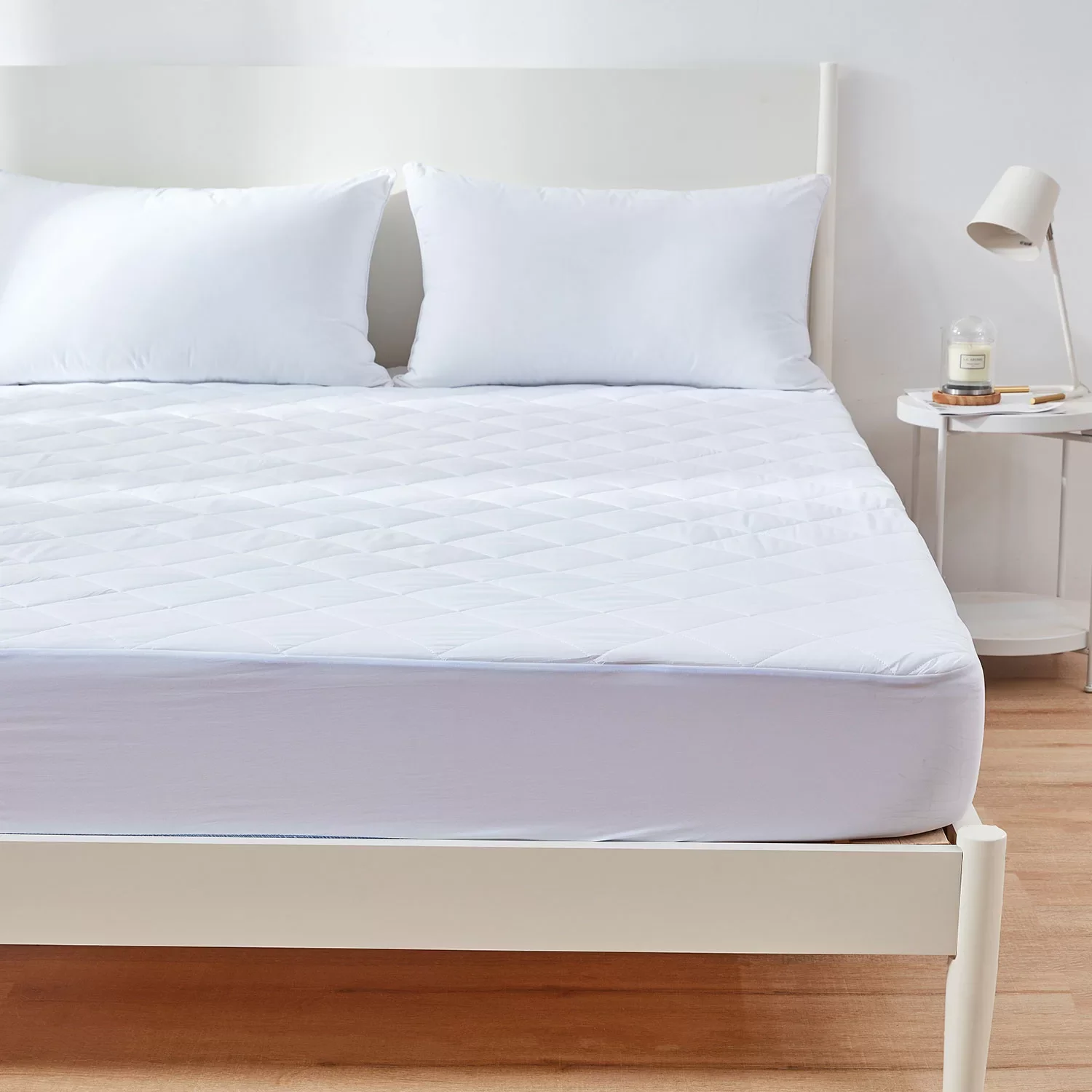
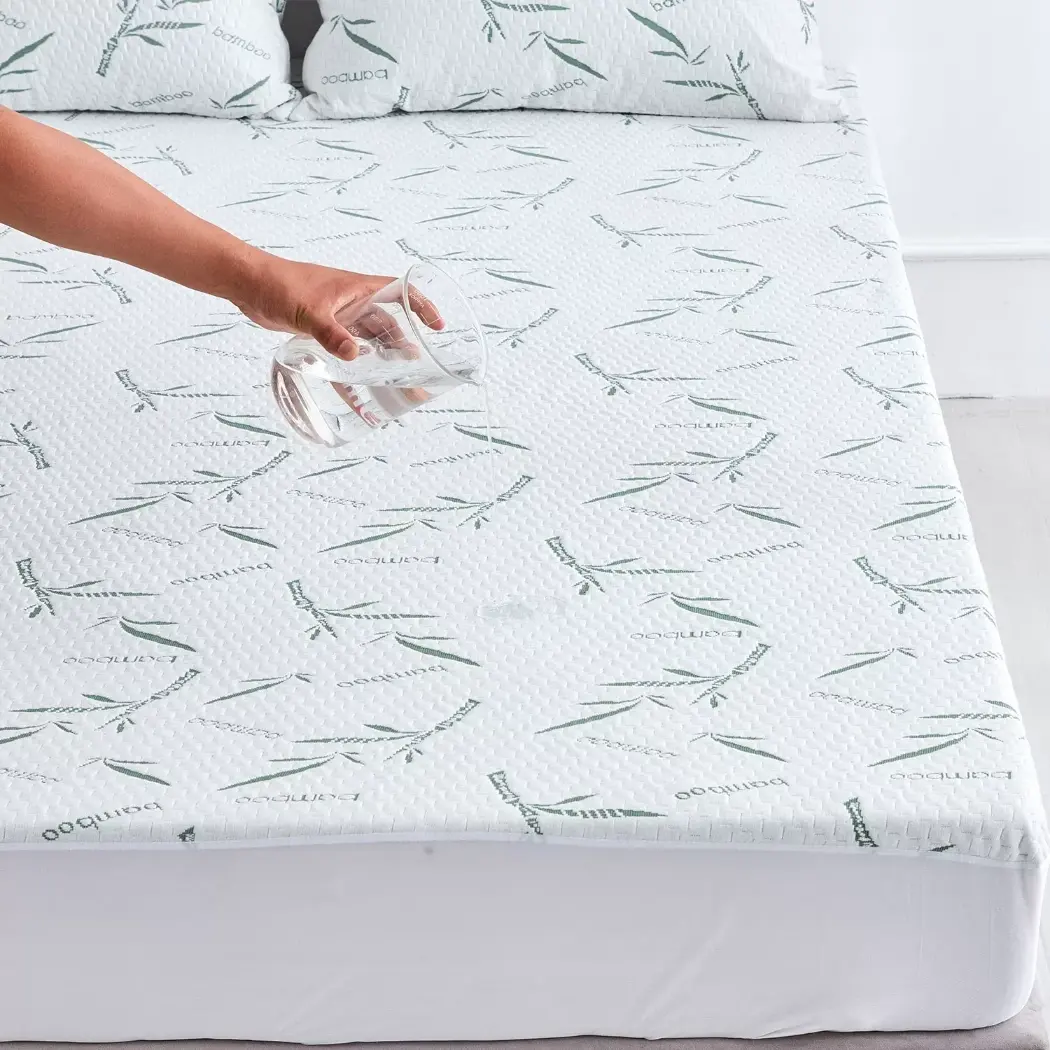
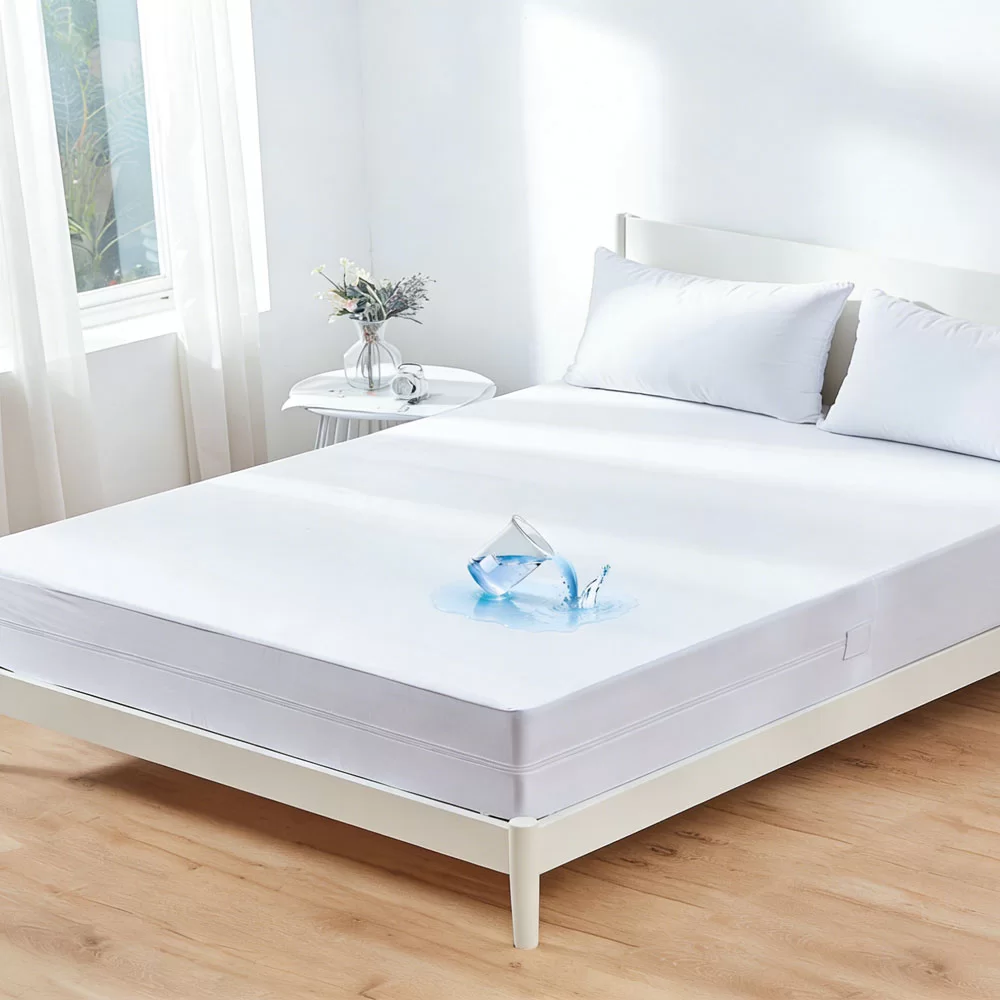
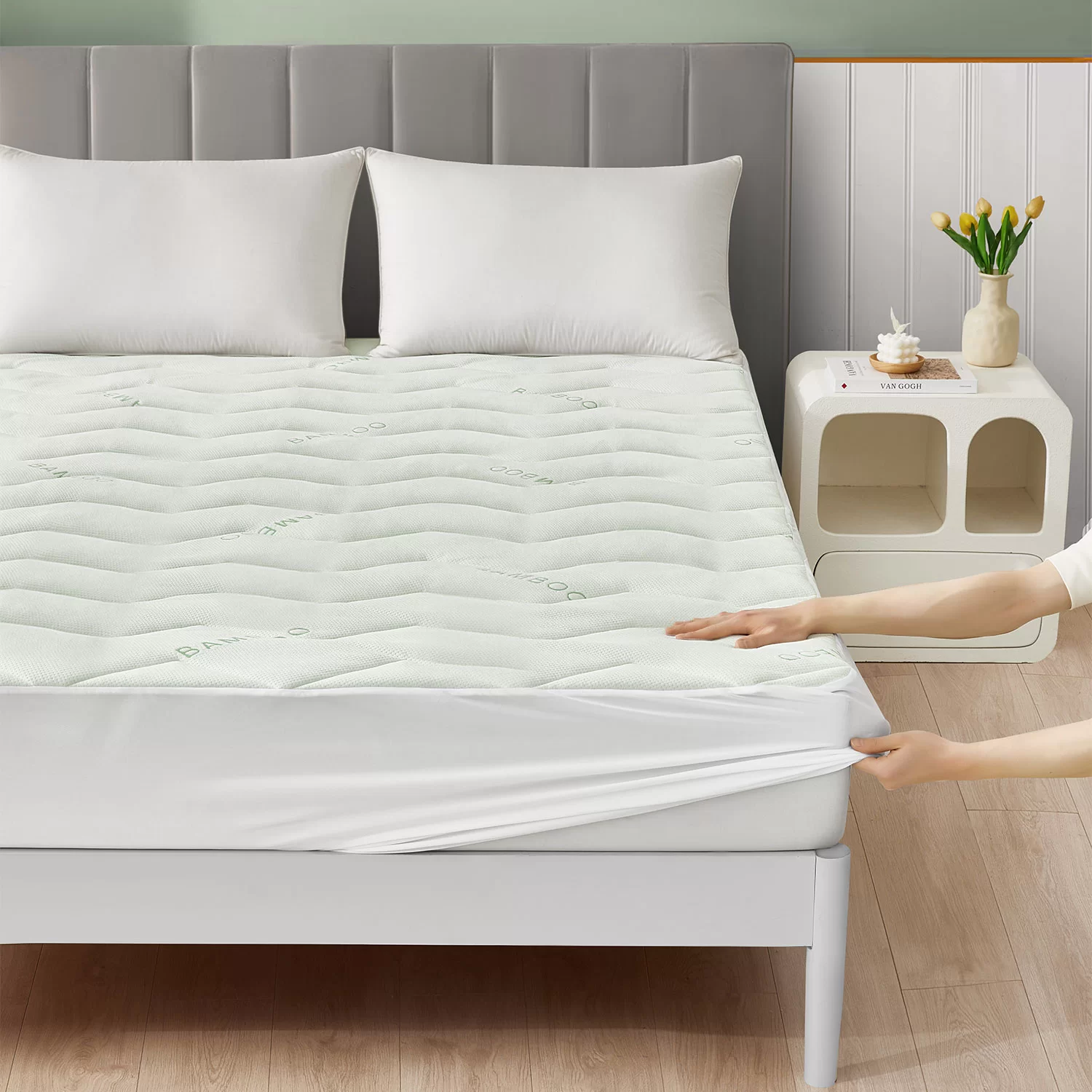
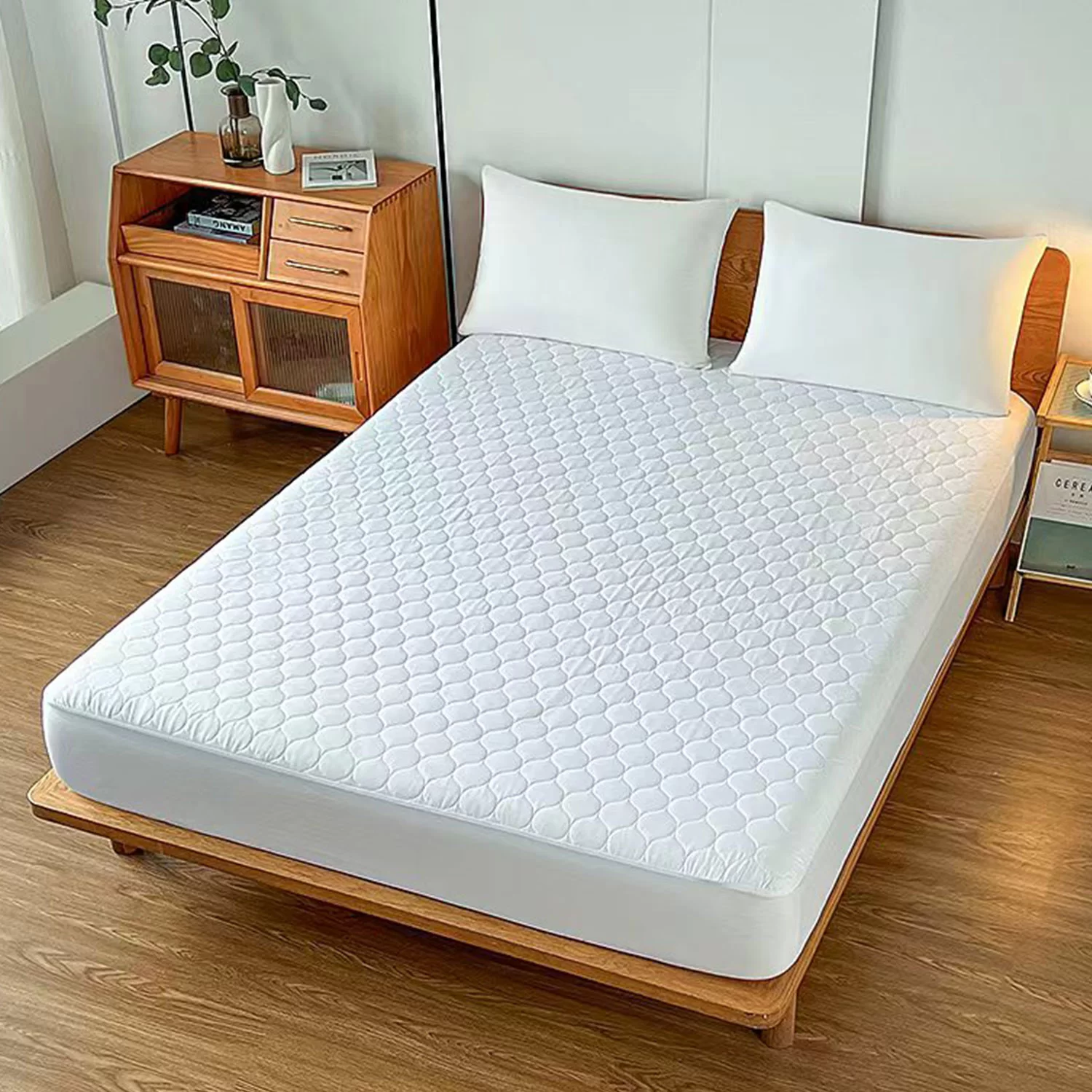
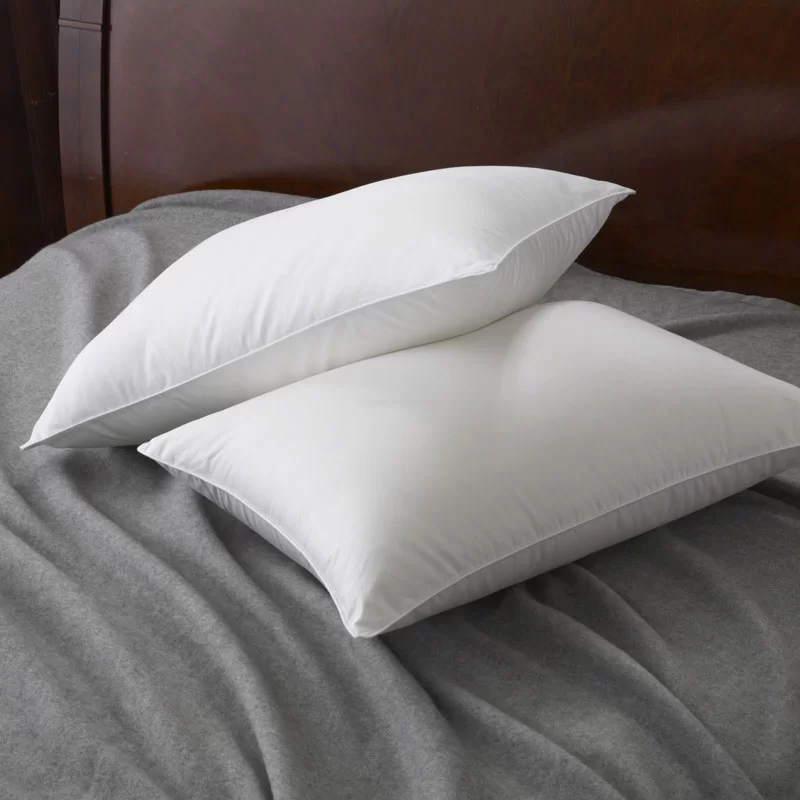
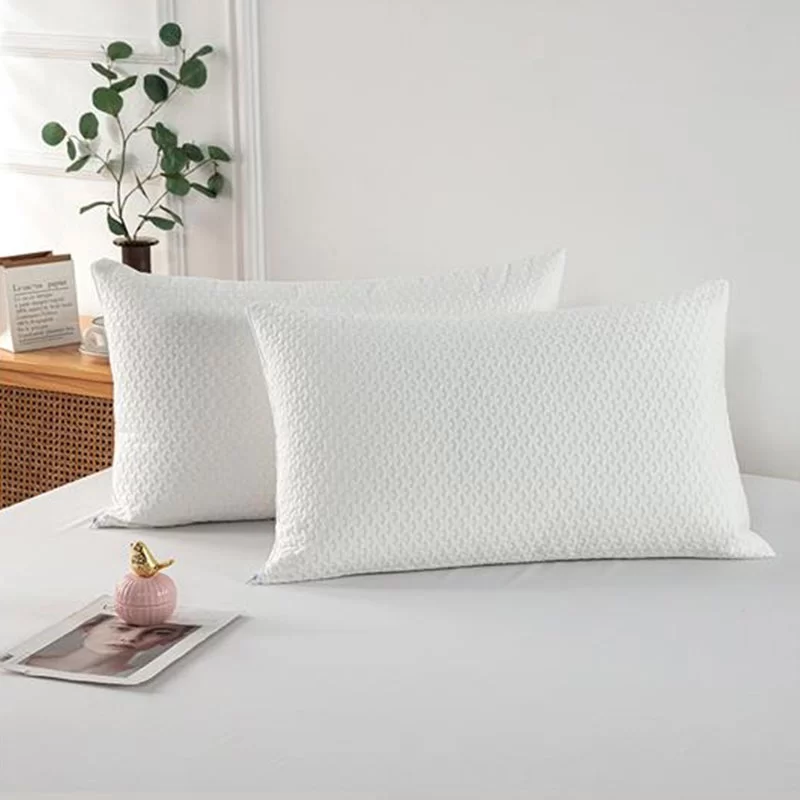
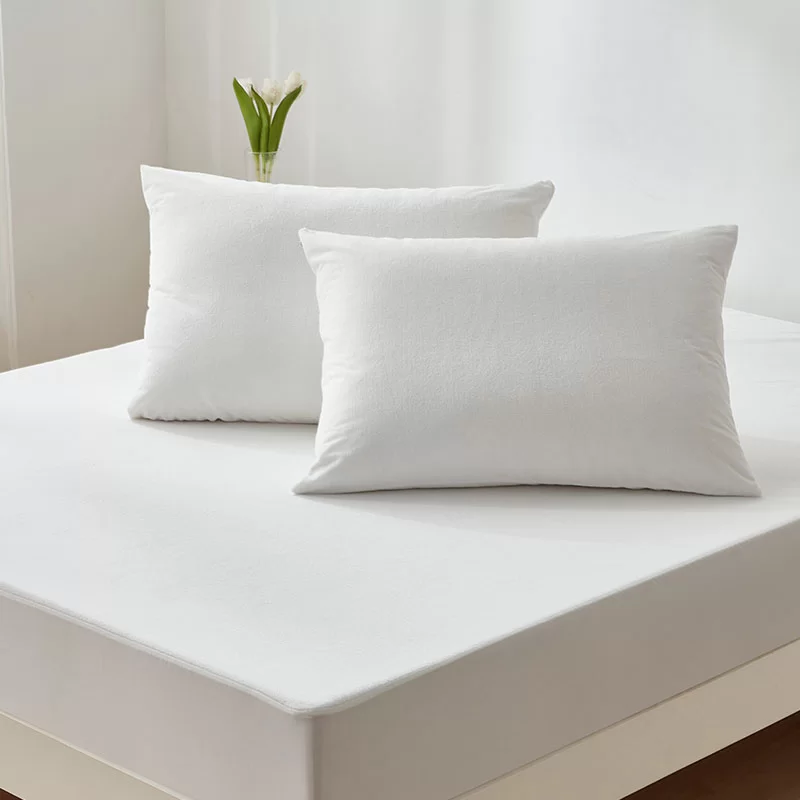
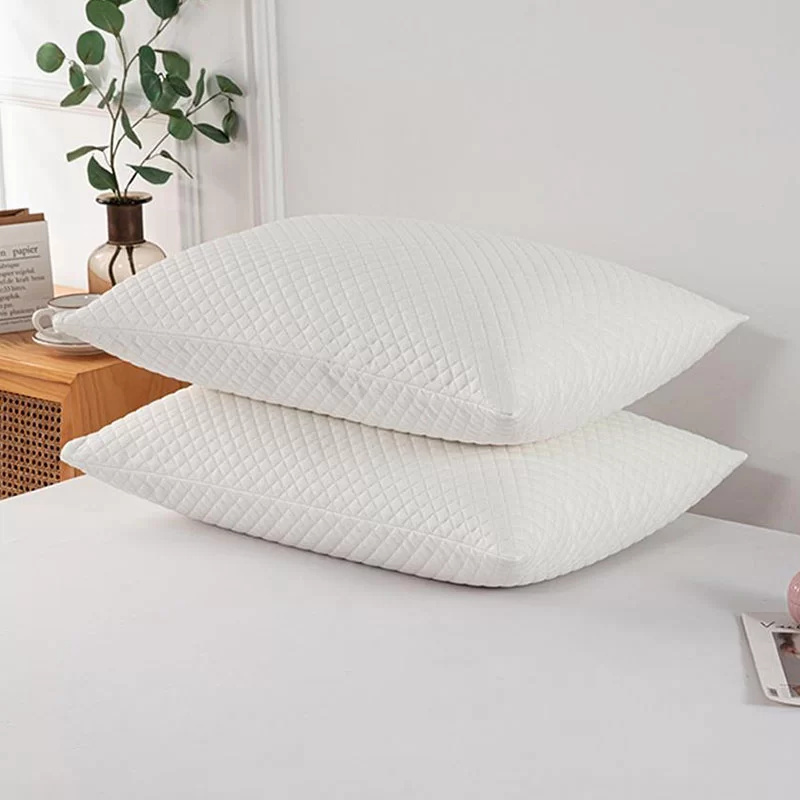
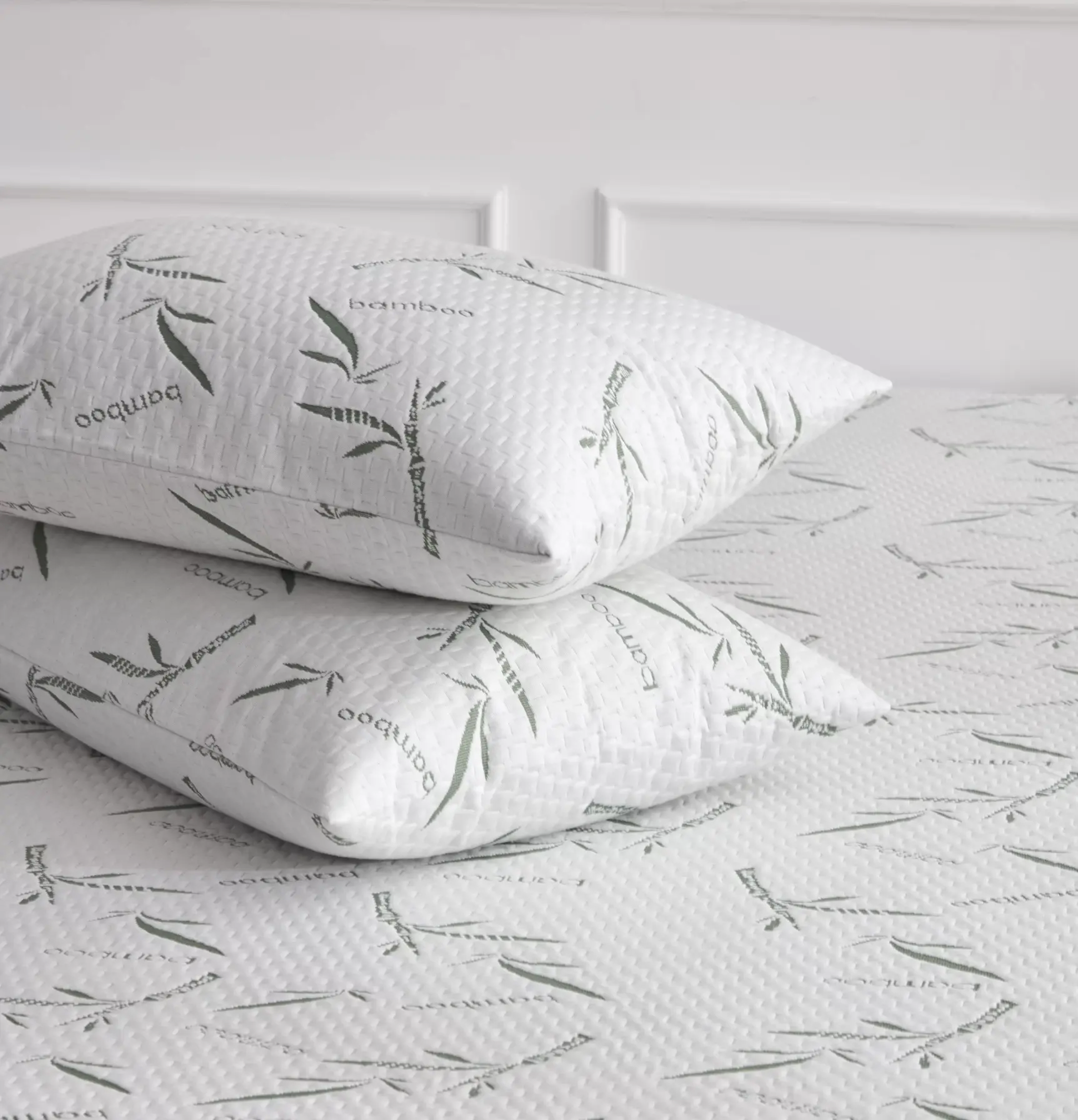
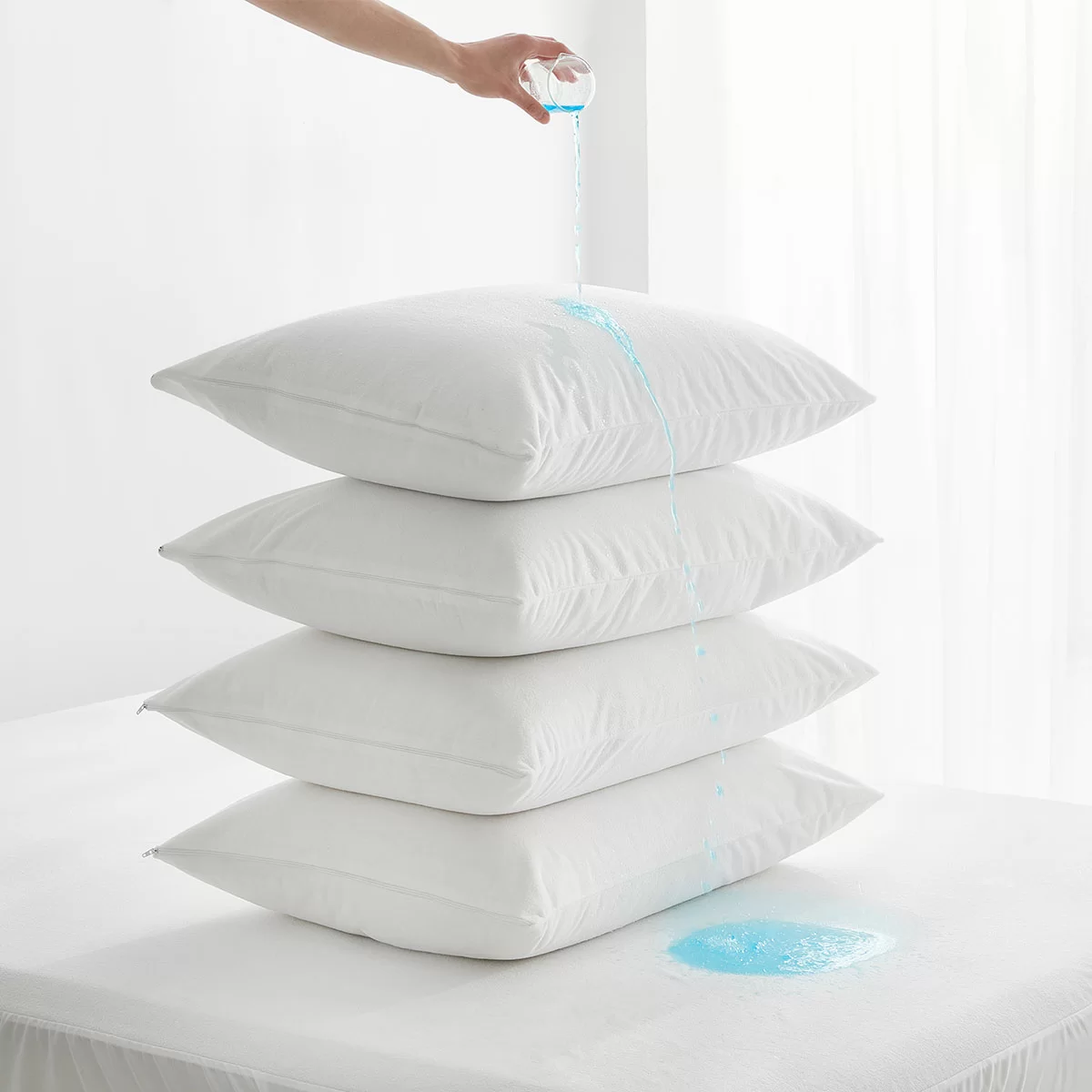
The significance of this selection extends beyond simple aesthetics. In high-turnover environments like hotels or hospitals, the choice of fabric directly impacts the cost of replacement and the perceived quality of the service. When integrating these sheets with other essential bedding like a Waterproof Mattress Protector or Pillow Shell, the synergy of materials determines the overall sleep environment. A mismatch in quality can lead to premature wear, increased complaints, and a higher total cost of ownership.
Navigating the complexities of textile sourcing requires a deep understanding of weave types, GSM weights, and dye stability. This guide analyzes the technical and commercial benchmarks necessary to evaluate a cotton flat sheet supplier, providing a framework for buyers to ensure their investments align with both comfort standards and budgetary constraints.


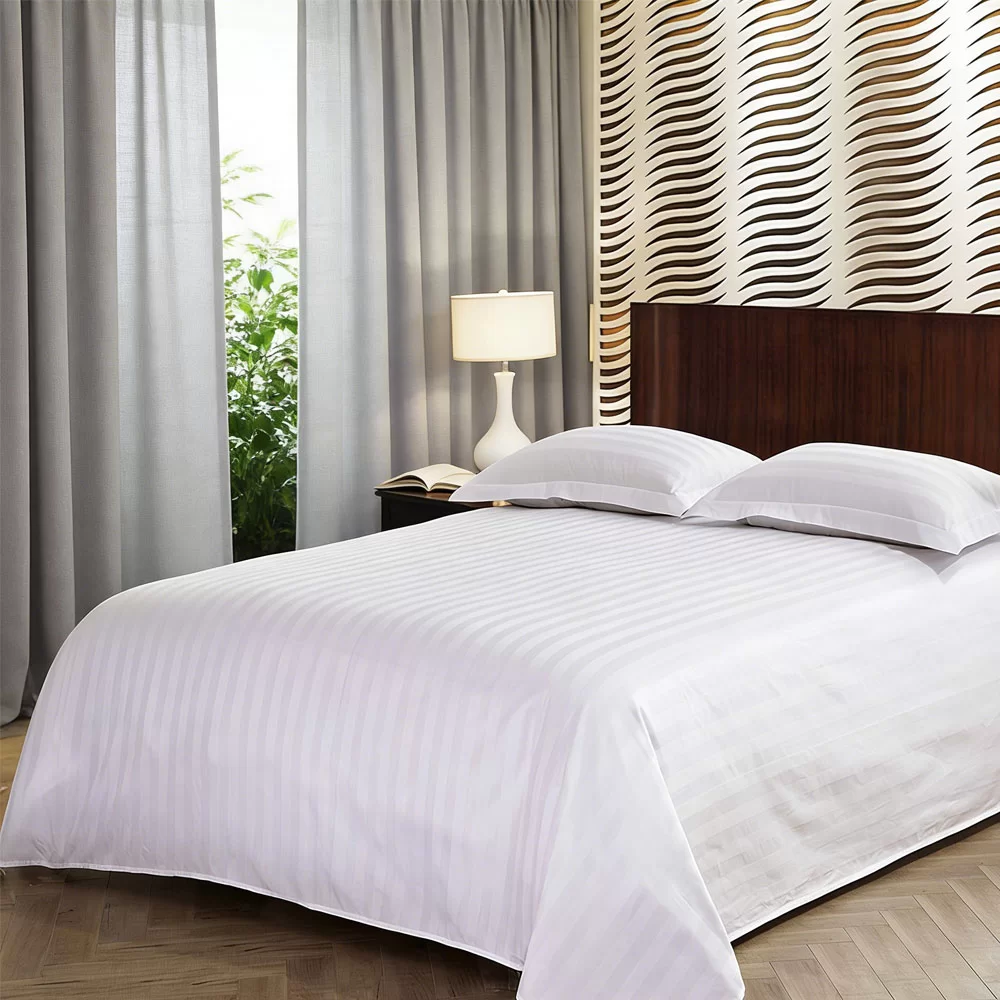
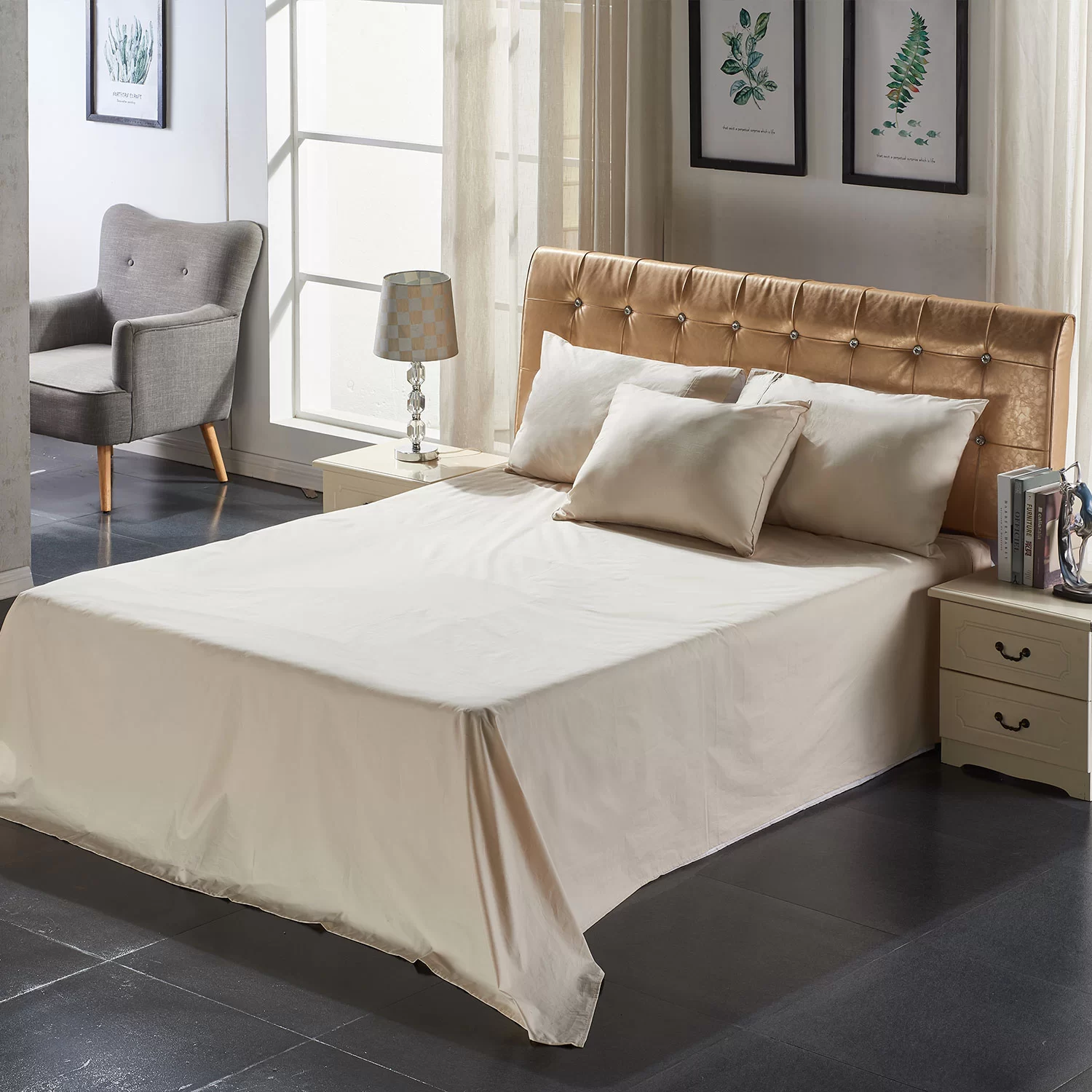
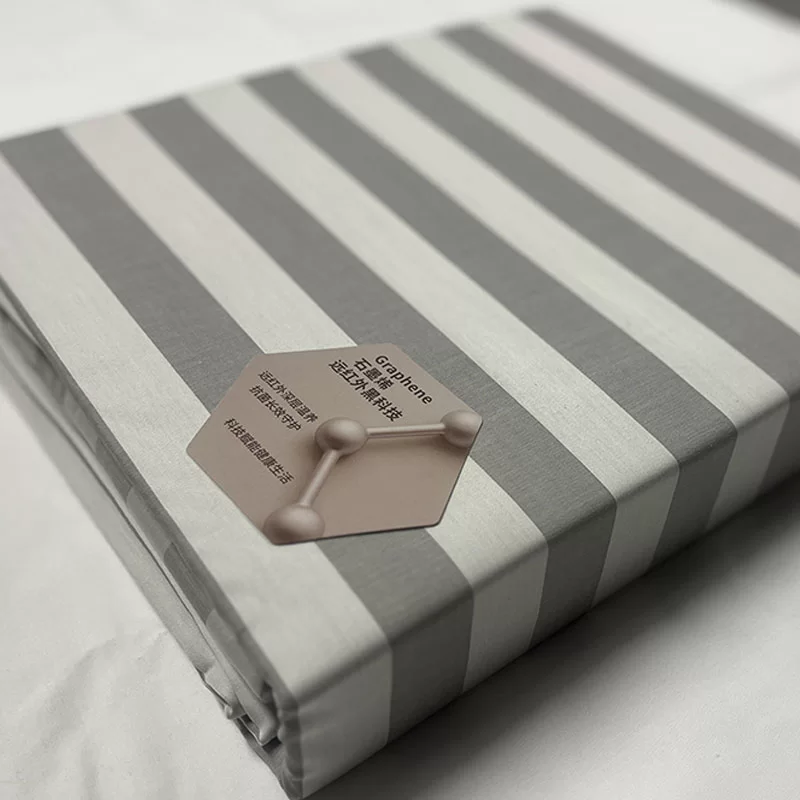
Commercial flat sheets differ from residential versions primarily in their construction and finish. They are designed to be versatile, fitting various mattress sizes and tucking styles while resisting the aggressive chemicals used in industrial laundering. The core structure usually relies on high-density cotton or cotton-polyester blends to ensure the fabric does not thin out over time, maintaining a consistent barrier between the guest and the mattress.
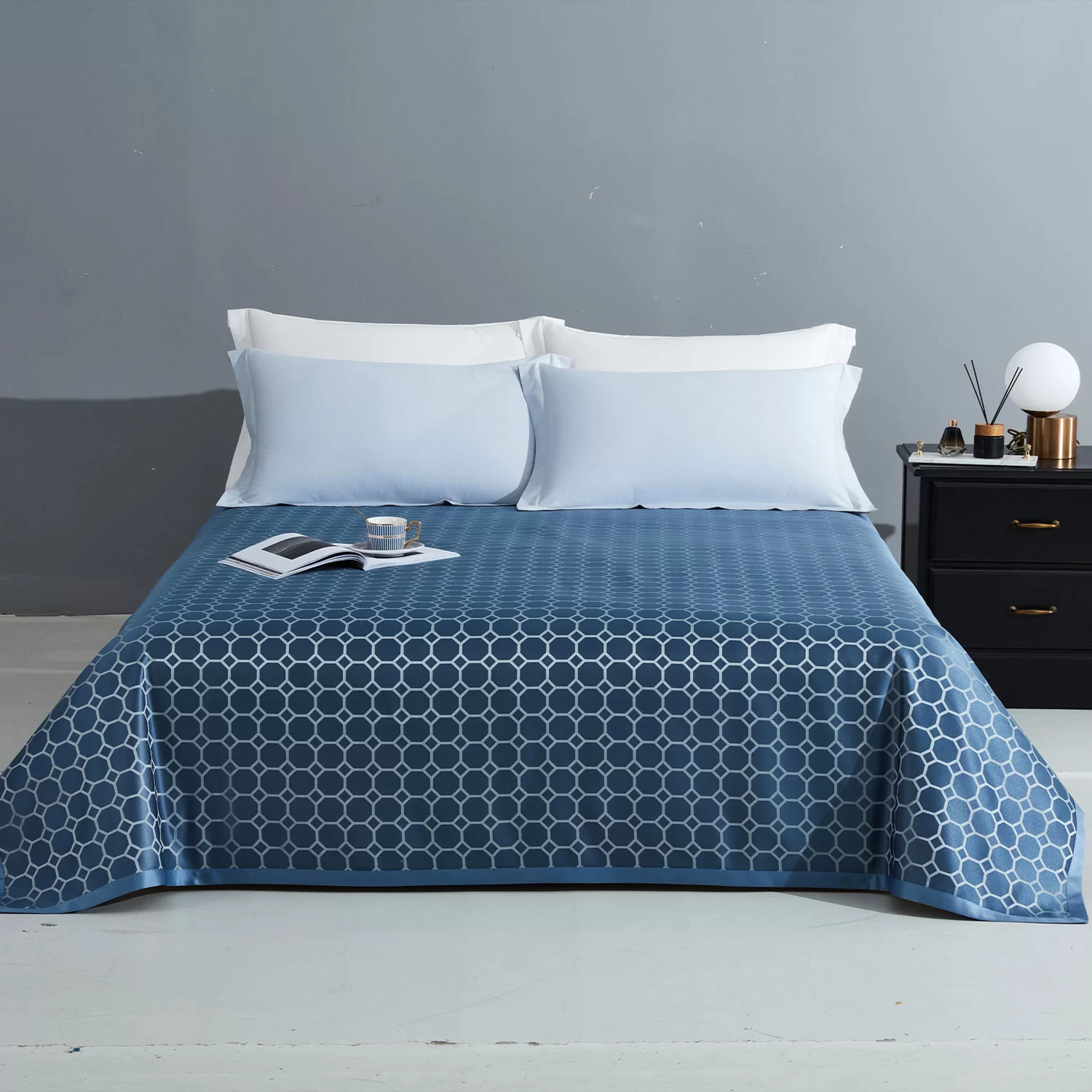
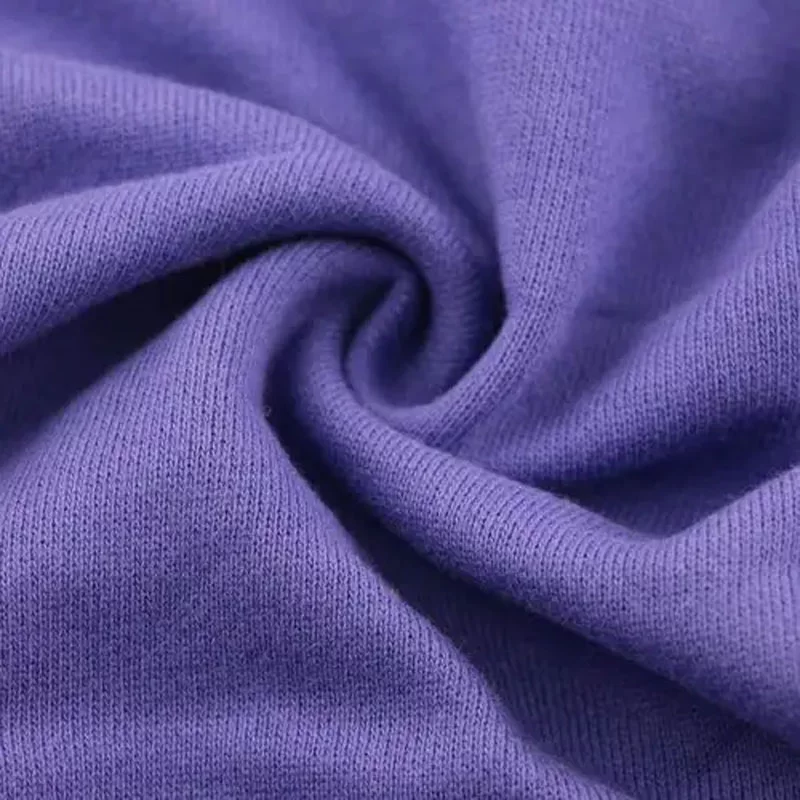
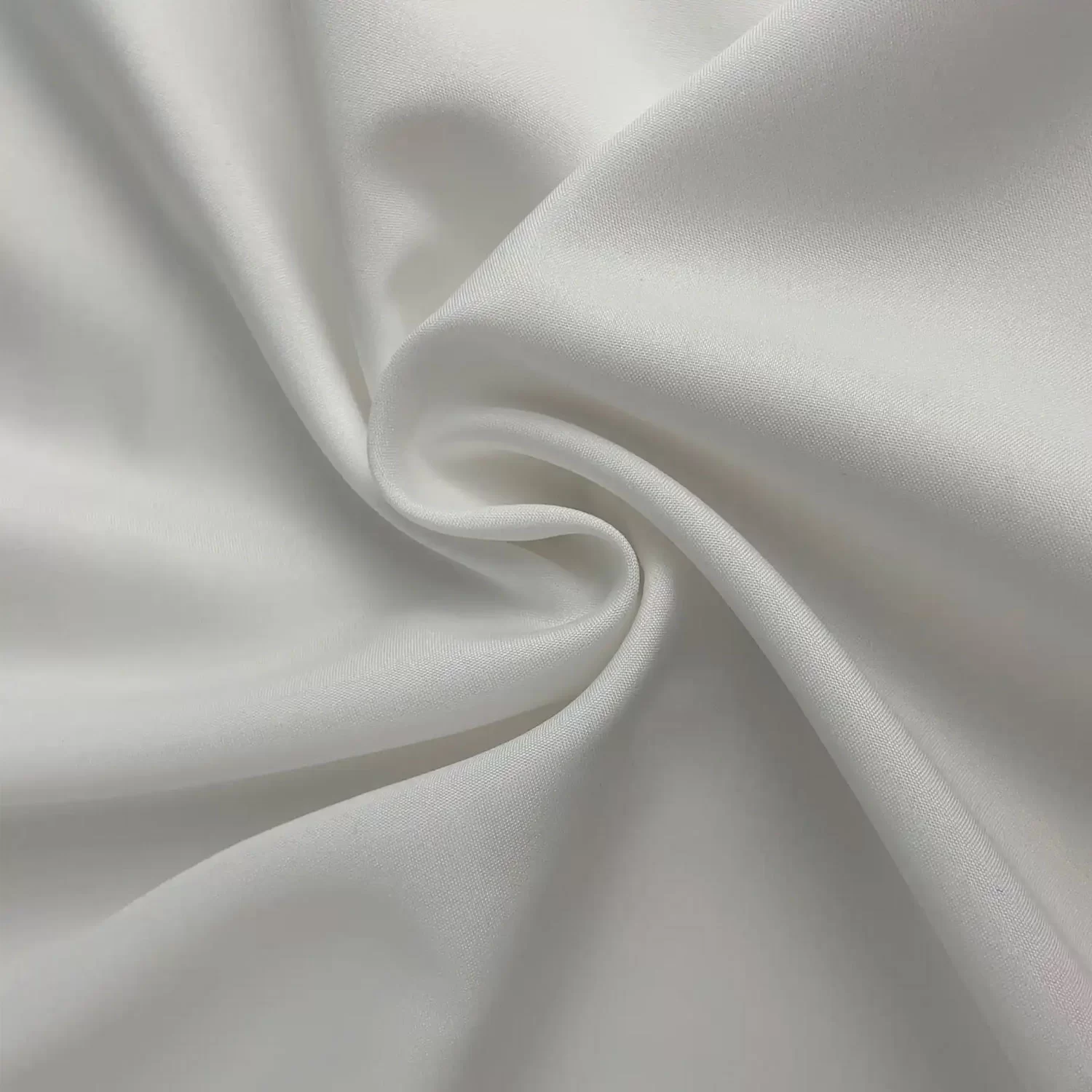
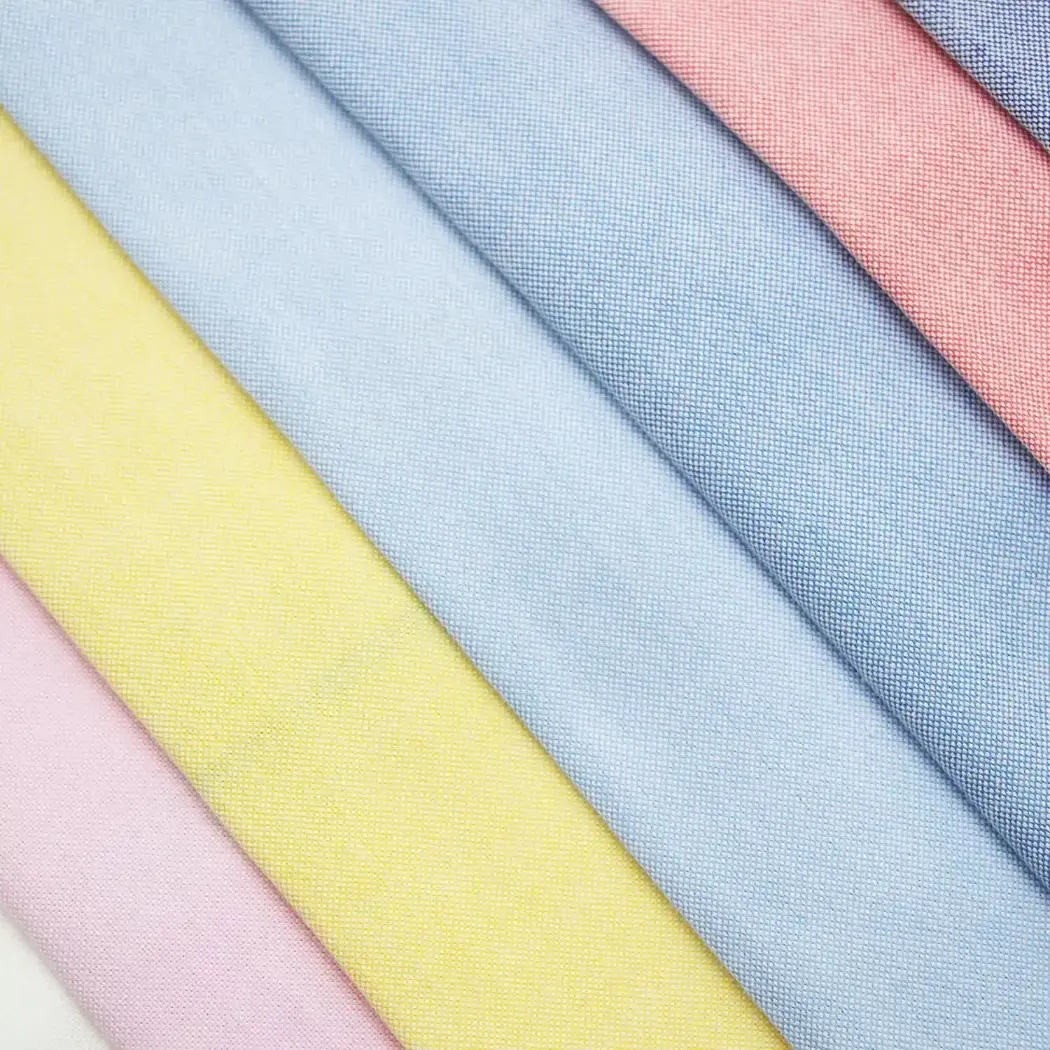
From a technical perspective, the weaving process—whether it is a sateen, percale, or jacquard finish—dictates the sheet's breathability and luster. A professional supplier focuses on the stability of the warp and weft, ensuring that the sheets do not shrink or skew after the first few wash cycles, which is essential for maintaining a neat, crisp appearance in luxury hospitality settings.
When evaluating a supplier, the most critical metric is the GSM (Grams per Square Meter). A higher GSM generally indicates a denser, more durable fabric, but it must be balanced against breathability. For hotel use, a balance is required to prevent the sheets from feeling too heavy or too flimsy. Additionally, the thread count should be verified against actual fiber quality rather than inflated marketing numbers.
The true measure of a premium textile is its resistance to pilling and color degradation. By utilizing vat-dye processes and high-precision testing equipment, manufacturers ensure that white sheets stay bright and colored linens maintain their depth, directly reducing the frequency of inventory replacement.
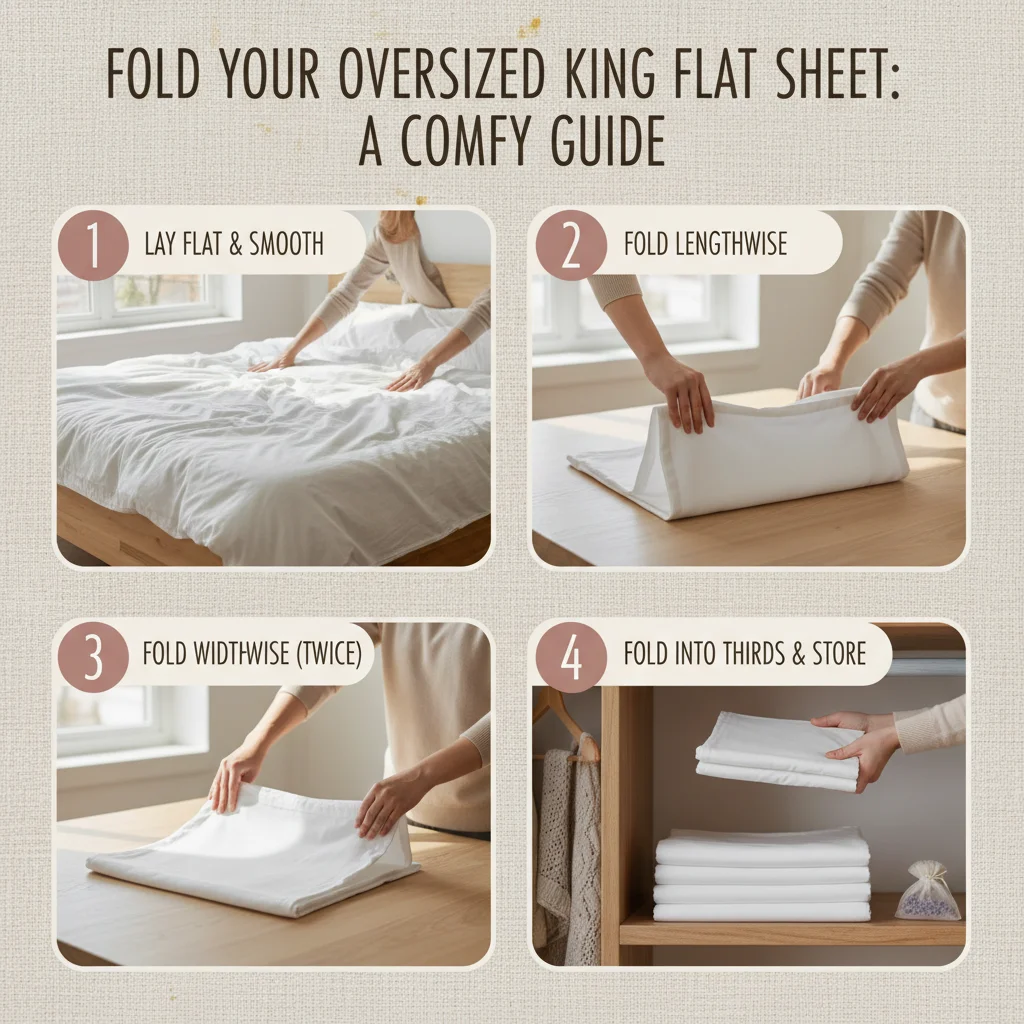
Another key factor is the edge finish. Hemming quality determines whether a sheet will fray at the corners under the stress of repeated tugging and folding. Professional-grade sheets utilize reinforced stitching that prevents unraveling, ensuring that the product lifespan is measured in years rather than months, providing a higher return on investment for the operator.
Investing in high-grade cotton linens creates a ripple effect of efficiency across the housekeeping department. Sheets that are easier to iron and fold reduce the labor hours required per room. Furthermore, the moisture-wicking properties of pure cotton improve the sleep quality for guests, which is a primary driver of positive reviews and repeat bookings in the hotel industry.
Reliable textile quality minimizes the "attrition rate" of linens. When a supplier adheres to ISO9002 standards, the consistency between batches ensures that new sheets blend seamlessly with old ones, avoiding the unsightly patchwork of different shades or textures in a single guest room.
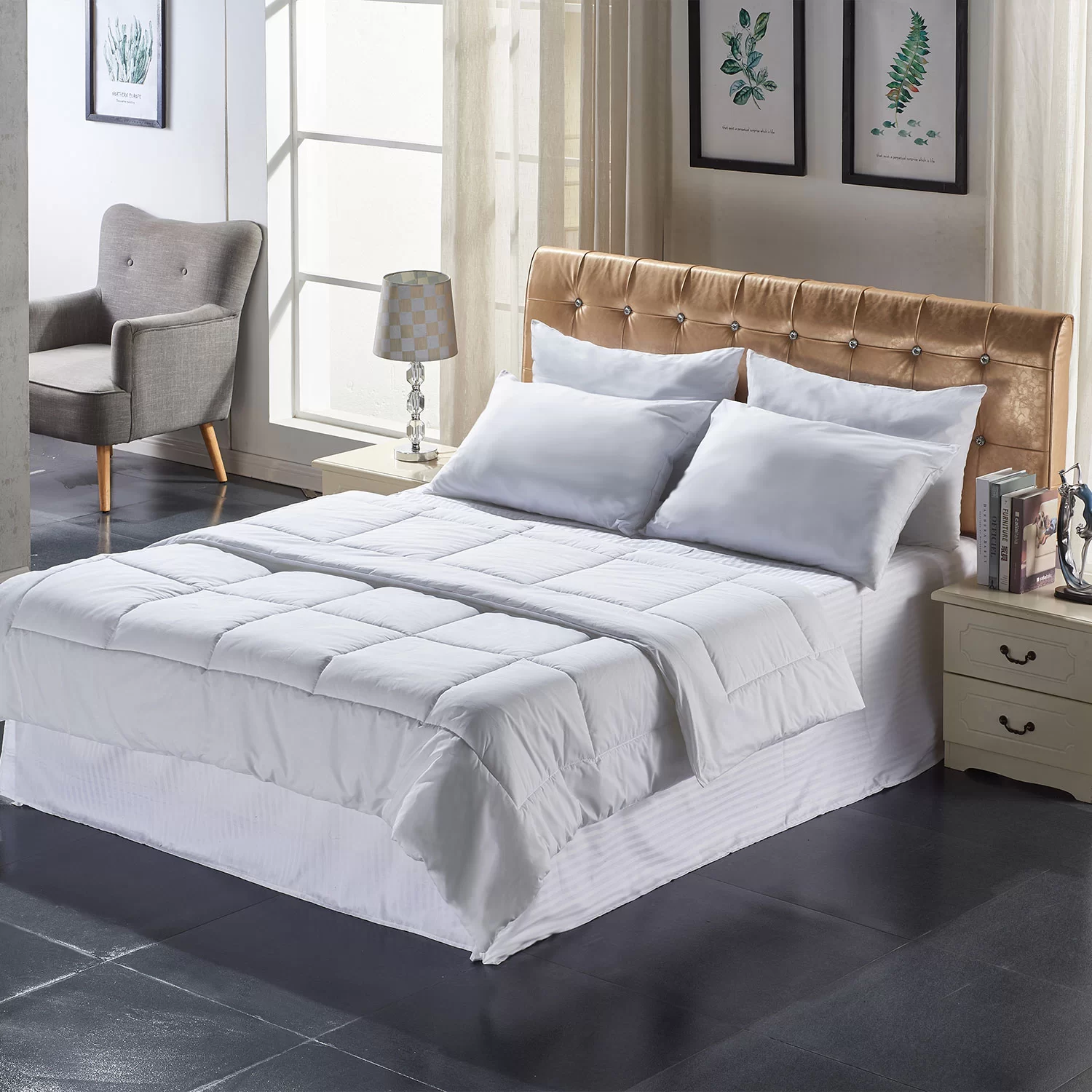
Beyond comfort, high-quality linens act as a protective layer. When used in conjunction with specialized protectors, they safeguard the mattress from superficial wear. This integrated approach to bedding management preserves the expensive mattress core, extending the overall lifecycle of the room's furniture and reducing long-term capital expenditure.
Selecting the correct fabric weight depends on the intended use case and the regional climate. Lighter fabrics are preferred in tropical zones for maximum airflow, while denser weaves are essential for luxury suites where a "weighted" and opulent feel is desired. The relationship between GSM and durability is generally linear, although the blend ratio of cotton to polyester can alter this dynamic.
The following data illustrates the typical durability and comfort ratings associated with different common GSM weights used in professional bedding, highlighting how the shift in density impacts the product's functional lifecycle.
In hospital settings, the priority shifts toward hygiene and sterilization. Sheets must withstand high-temperature autoclaving and harsh chemical disinfectants without losing their structural integrity. Here, the focus is on anti-bacterial finishes and high-durability blends that can be laundered frequently while remaining soft against sensitive patient skin.
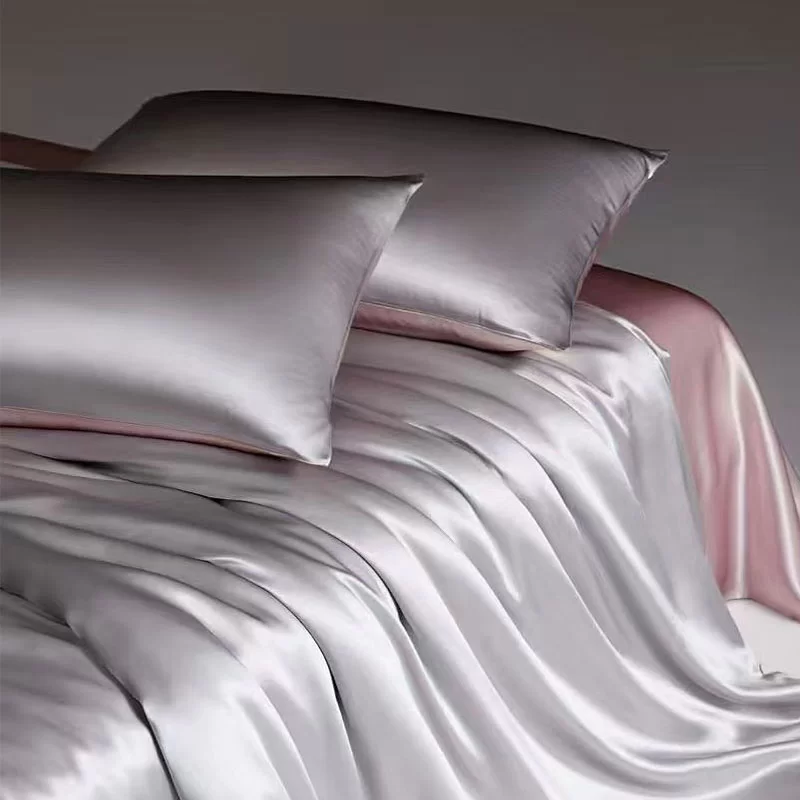
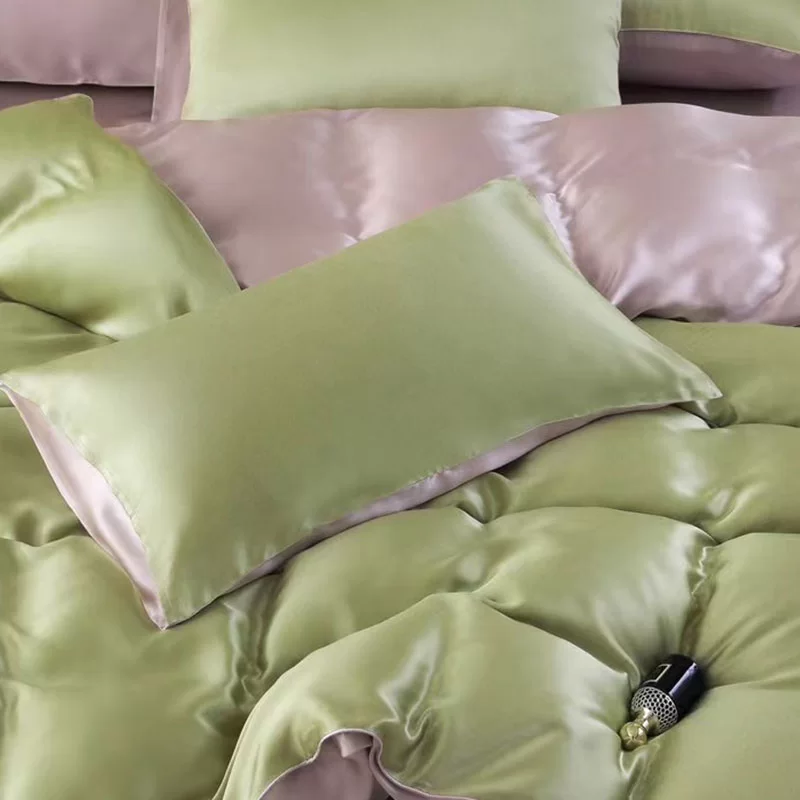
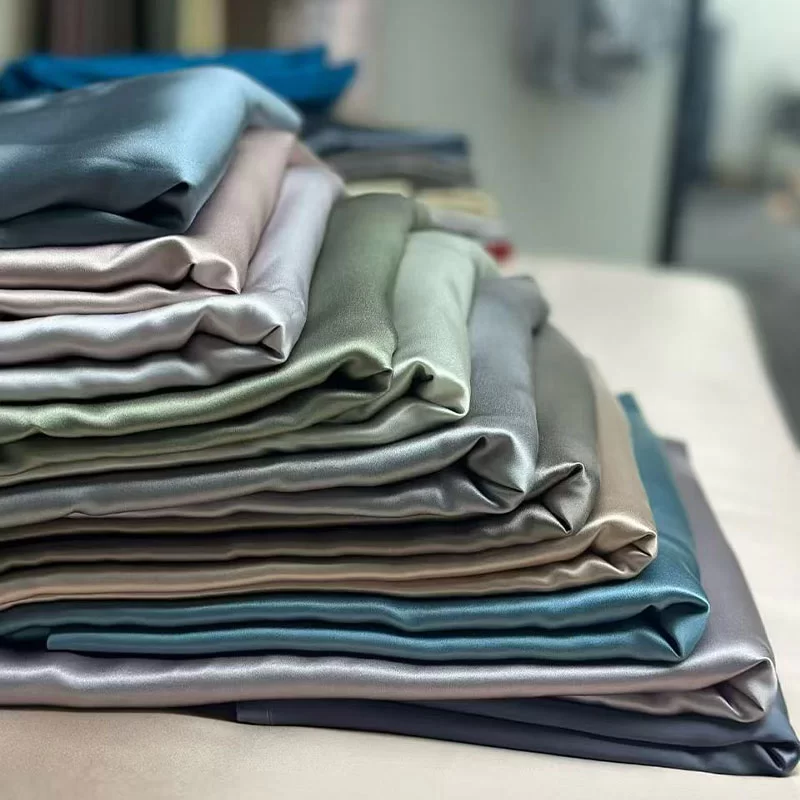
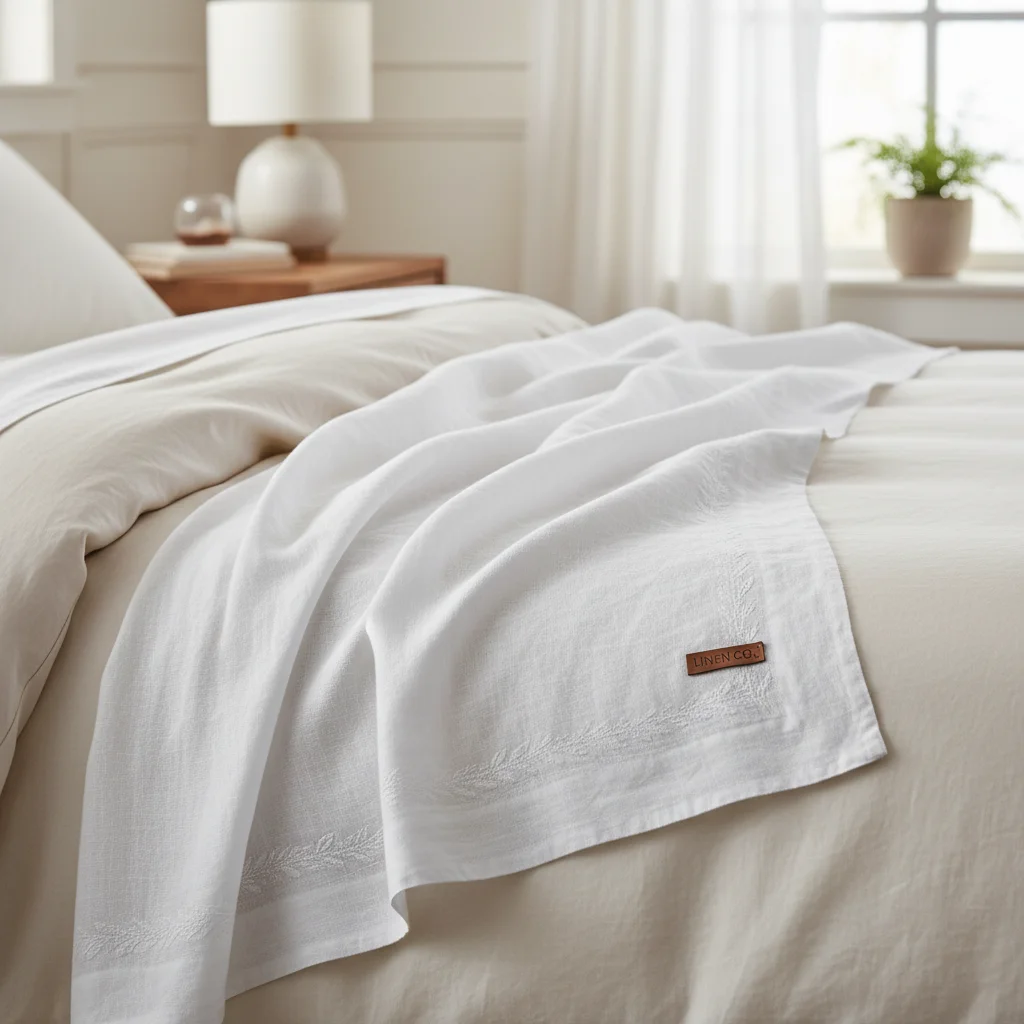
Conversely, in the boutique hotel sector, the emphasis is on the tactile experience and visual appeal. Sateen weaves are often preferred for their subtle sheen and smoothness. In these scenarios, the bedding is part of the brand's luxury storytelling, meaning the supplier must be able to provide customized sizes and specific fabric finishes that align with the interior design of the property.
The bedding industry is currently seeing a shift toward sustainable sourcing and enhanced functional textiles. The integration of recycled fibers and organic cotton is no longer a niche request but a standard requirement for many global brands. This transition requires suppliers to have transparent supply chains and certified production processes.
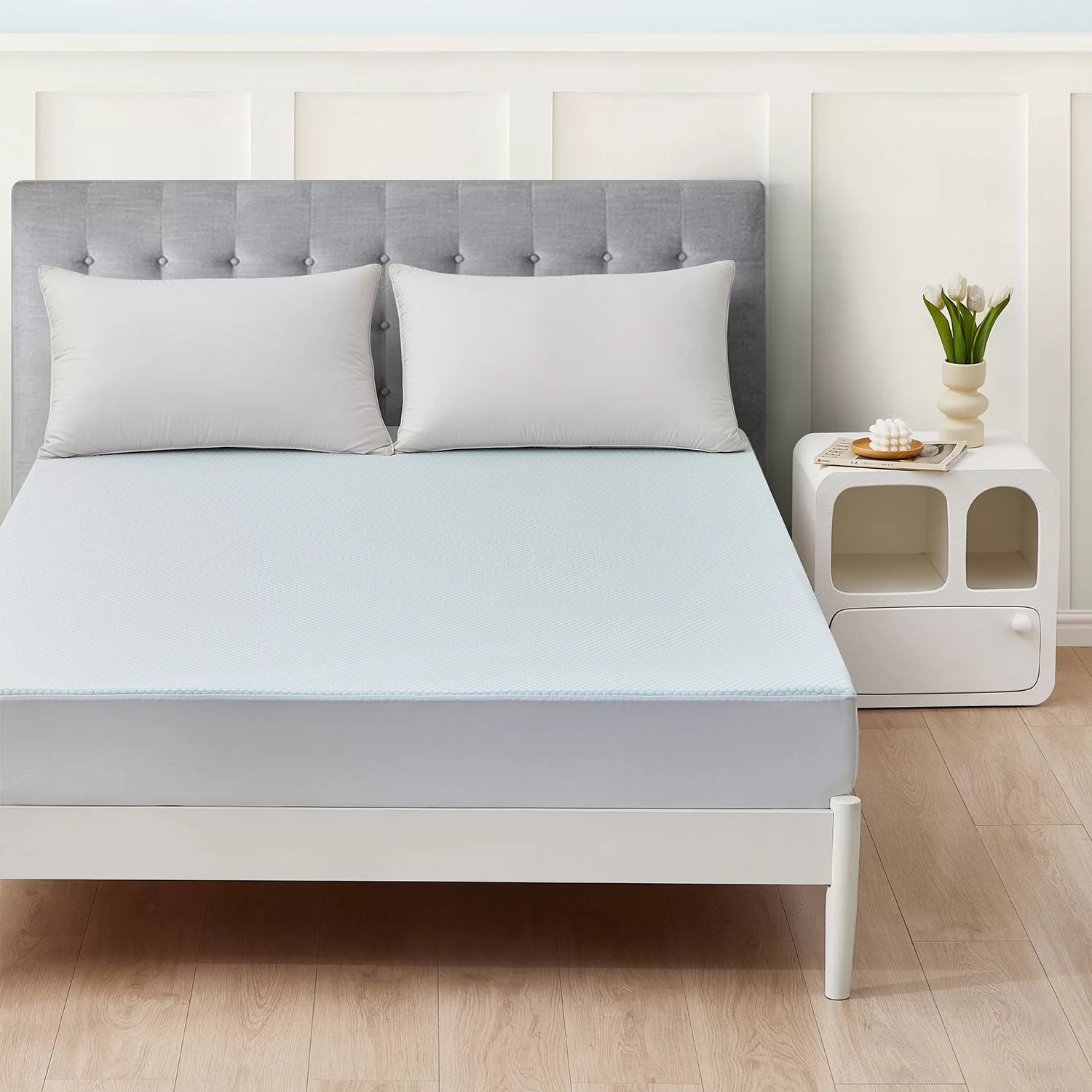
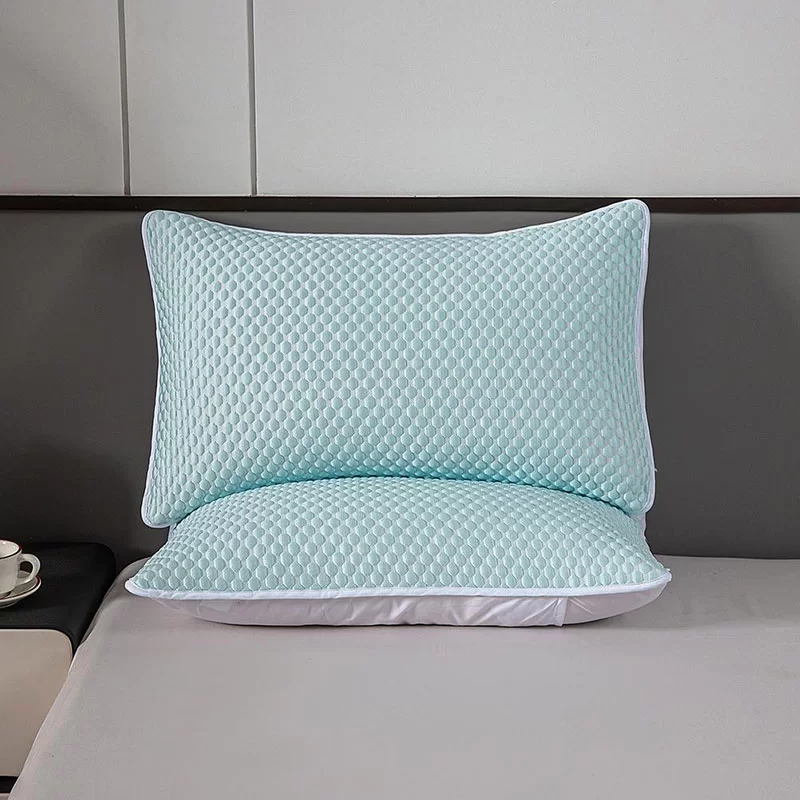
Moreover, there is an increasing demand for "smart" textiles. While flat sheets remain traditional, the surrounding bedding ecosystem—such as the addition of cooling agents in mattress protectors—is pushing flat sheets to be more compatible with temperature-regulating technologies. This ensures a consistent thermal experience for the sleeper throughout the night.
Modern production now leverages advanced testing equipment to guarantee precision in every batch. By monitoring tension and weave density in real-time, manufacturers can eliminate defects that previously led to premature tearing, ensuring that every single unit delivered meets the exact specifications of the procurement contract.
One of the most frequent challenges in sourcing is the "sample-to-bulk gap," where the initial sample is perfect, but the mass production varies in quality. To mitigate this, buyers should insist on a supplier with a strict ISO quality management system and a clear policy on batch consistency.
Another hurdle is managing lead times and shipping logistics, especially for large-scale hotel openings. A strategic partnership with a supplier located near major transport hubs—such as those in the Hebei province near Xingang Port—can significantly reduce transit times and shipping costs.
Finally, balancing the budget against the required lifespan of the product is a constant struggle. The most effective approach is to calculate the cost-per-wash rather than the initial purchase price, which often reveals that slightly more expensive, higher-GSM sheets are actually more economical over a two-year period.
| Material Type | Durability | Breathability | Primary Use Case |
|---|---|---|---|
| 100% Pure Cotton | Medium-High | Excellent | Luxury Hotels |
| Cotton-Poly Blend | Very High | Good | Hospitals/Motels |
| Sateen Weave | Medium | High | Boutique Resorts |
| Percale Weave | High | Very High | Standard Hospitality |
| Jacquard Fabric | High | Medium | Decorative Bedding |
| Microfiber Blend | High | Low | Budget Lodging |
The ideal GSM typically ranges between 120gsm and 200gsm for commercial use. Lower weights are better for warm climates and fast drying, while higher weights provide the durability and luxury feel required for high-end hotels. The choice should depend on the expected laundry frequency and the desired guest experience.
Cotton-poly blends offer superior wrinkle resistance and higher durability during industrial washing, making them cost-effective for high-turnover environments like hospitals. 100% cotton provides a more premium feel and better breathability, which is generally preferred in the luxury hospitality sector despite a slightly higher replacement rate.
To ensure consistency, work with a supplier that uses vat-dyeing processes and adheres to ISO9002 quality standards. You should request "master samples" for each color and require the supplier to provide batch-matching reports before shipping to ensure that new arrivals match existing inventory.
Red flags include a lack of precise technical specifications (like GSM or thread count), inconsistent stitching on samples, and an inability to provide quality certifications. If a supplier avoids discussing the specific origin of their cotton or their testing protocols, they may be substituting materials in bulk orders.
Yes, professional suppliers can provide customized sizes to fit specific mattress dimensions, which is common in European or specialty hotel markets. Customization usually includes adjustments to the width and length, as well as specific hem styles or logo embroidery to align with brand standards.
Replacement cycles vary by quality; however, high-grade commercial sheets typically last between 150 to 200 industrial washes. Regular audits for pilling, thinning, and graying are recommended every quarter to identify which batches need replacing to maintain brand standards.
Selecting the right cotton flat sheet supplier is a strategic decision that balances immediate procurement costs against long-term operational expenses. By focusing on verifiable metrics such as GSM, weave stability, and ISO certifications, procurement managers can secure linens that enhance guest satisfaction while resisting the rigors of industrial laundering. The integration of these high-quality sheets into a broader bedding system—including mattress protectors and pillowcases—ensures a cohesive and durable sleep environment.
For those seeking a partnership built on quality and precision, exploring a supplier with extensive experience in the international textile market is key. We invite you to review our comprehensive range of professional bedding solutions at www.infortextile.com to find the exact specifications that meet your operational needs and quality standards.



Contact Us
Email: inforhometextile@126.com
Email: helenkou@126.com
Address
Zerun Building,No.122 Fengshou Road,Chang'an District,Shijiazhuang City,Hebei Province,China
If you are interested in our products, you can choose to leave your information here, and we will be in touch with you shortly.