
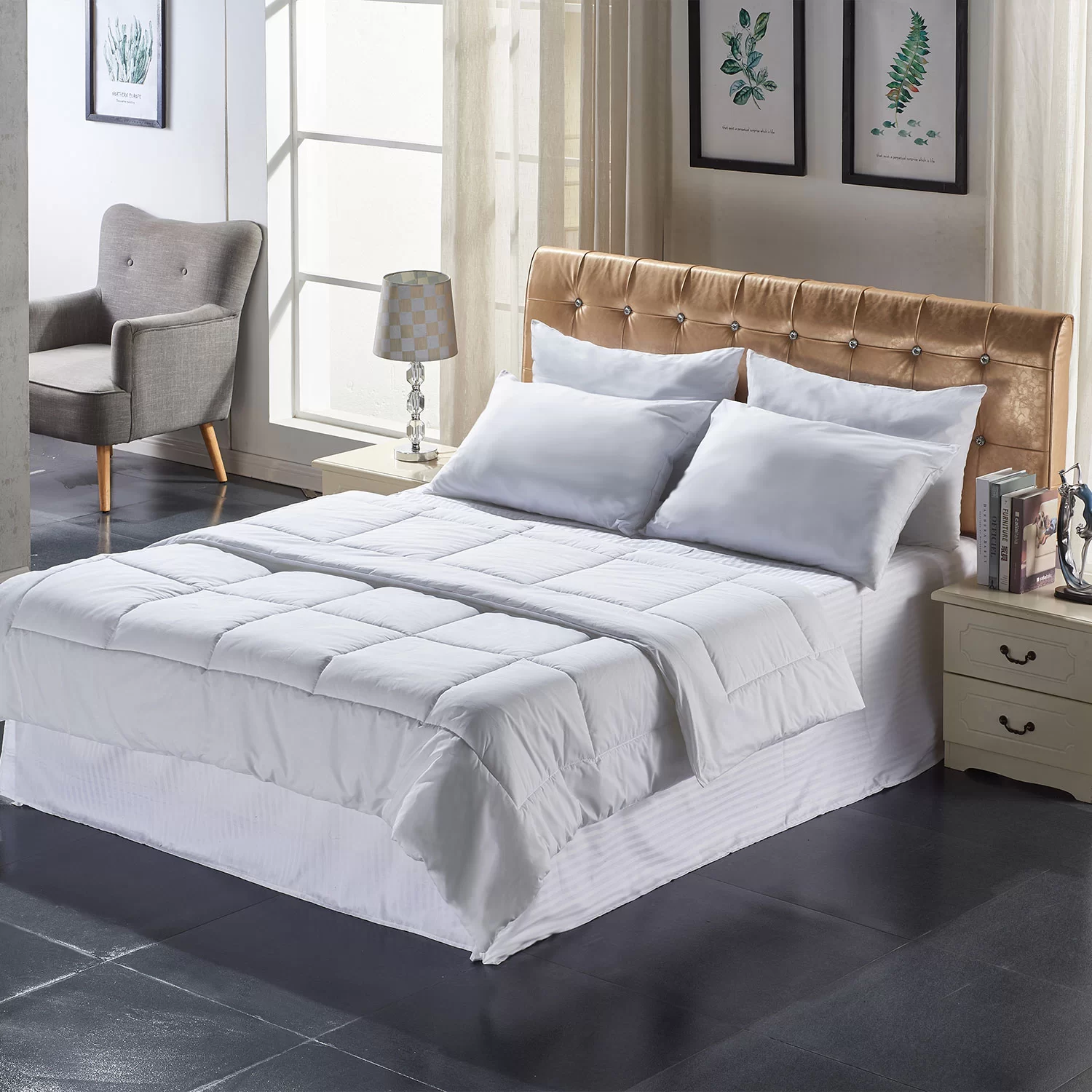
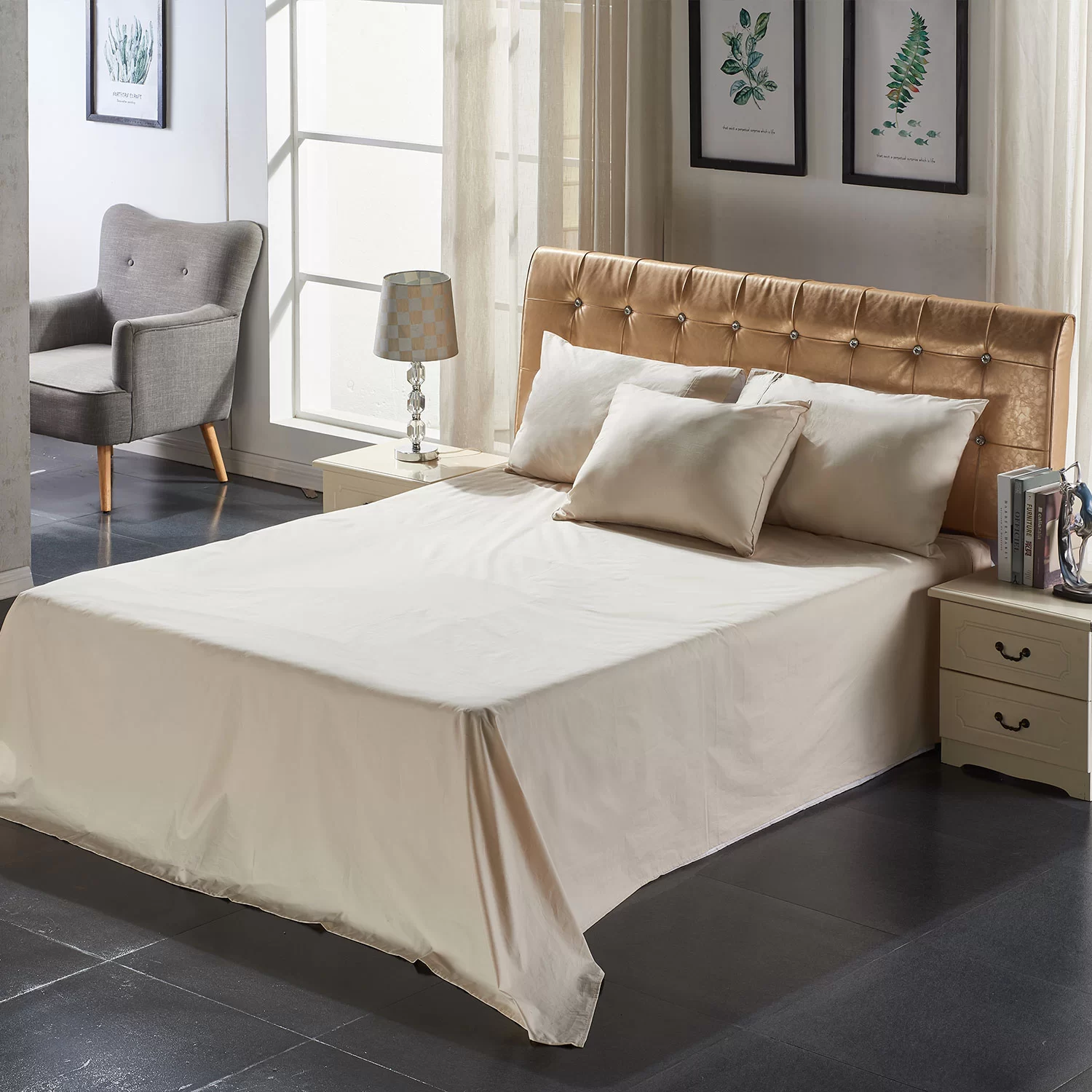
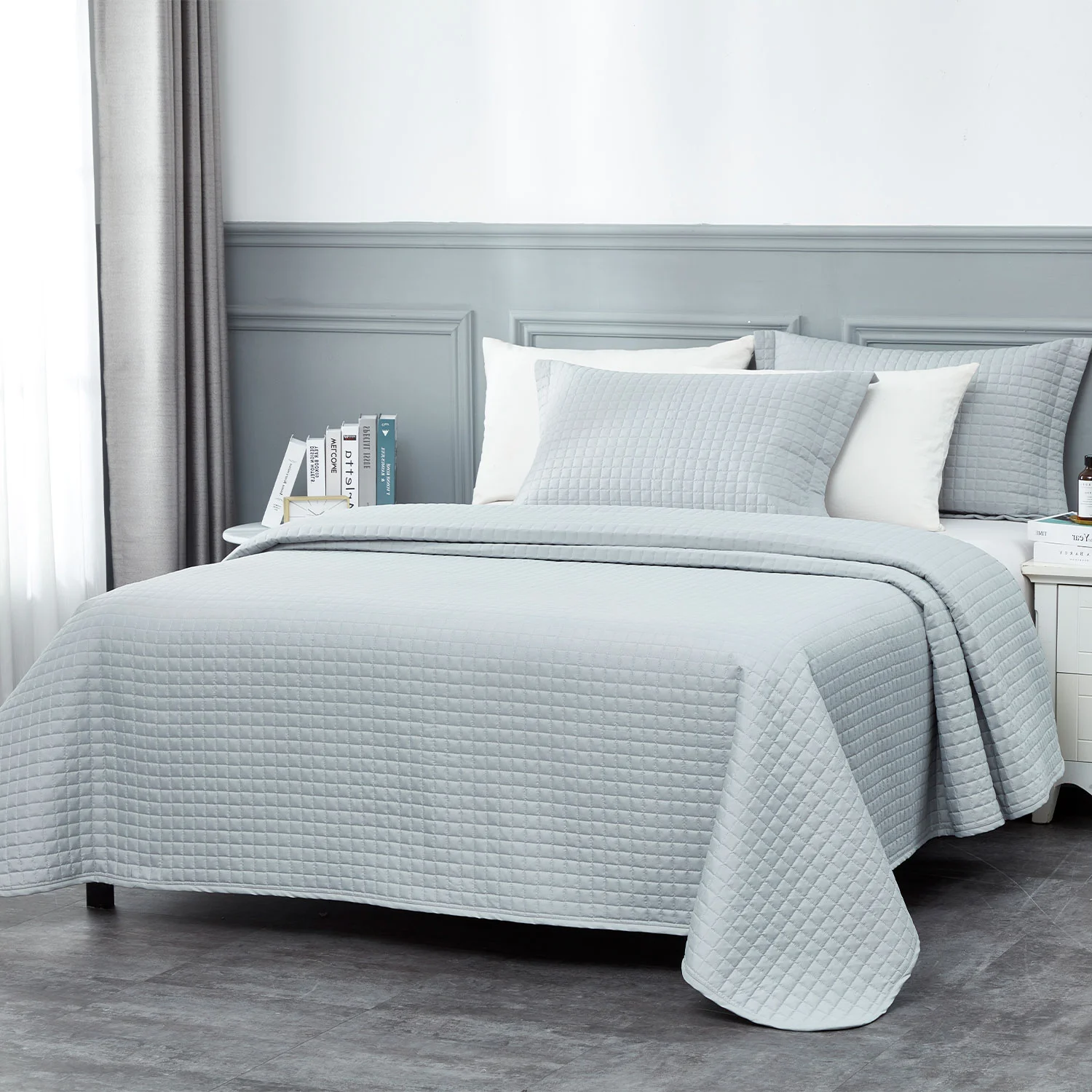
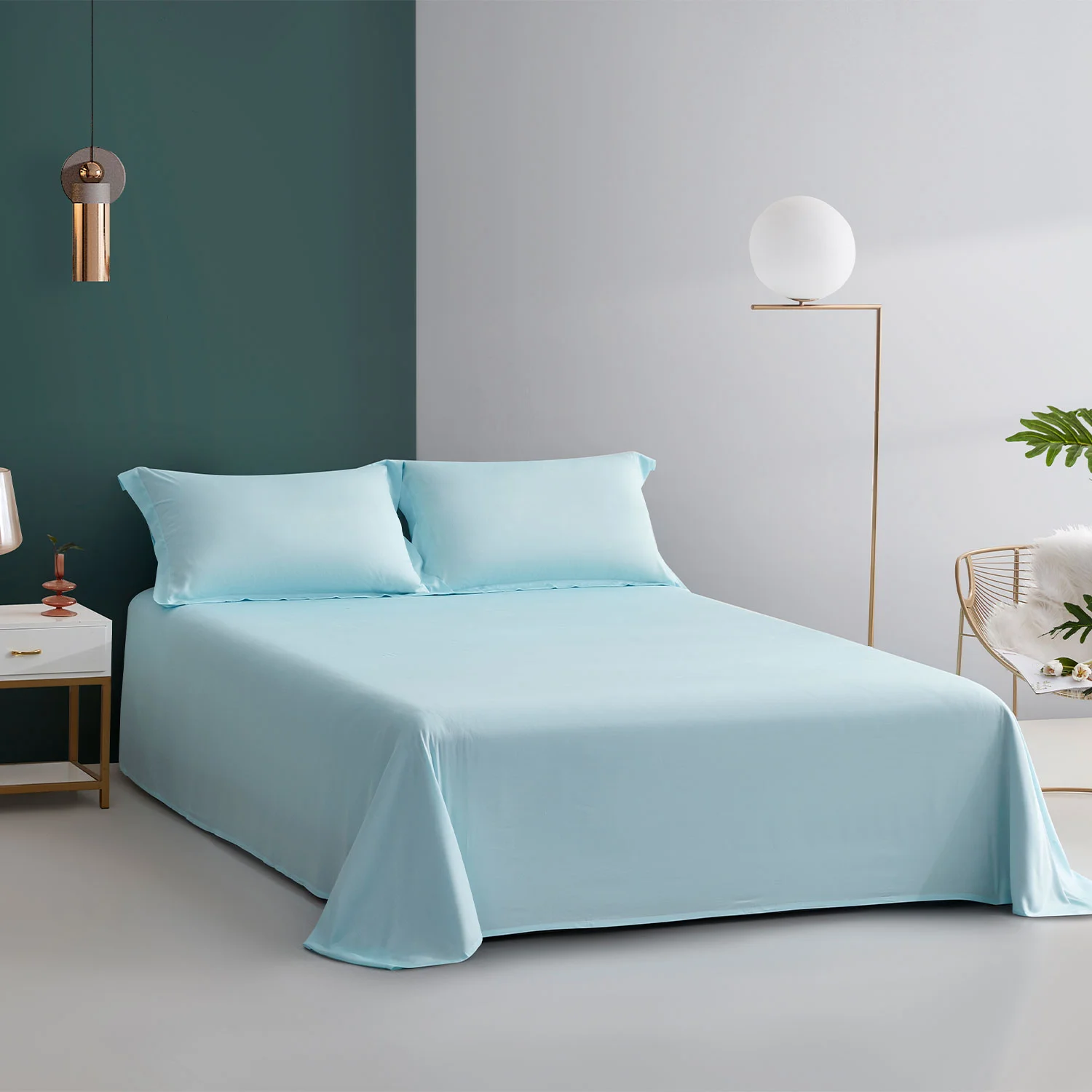
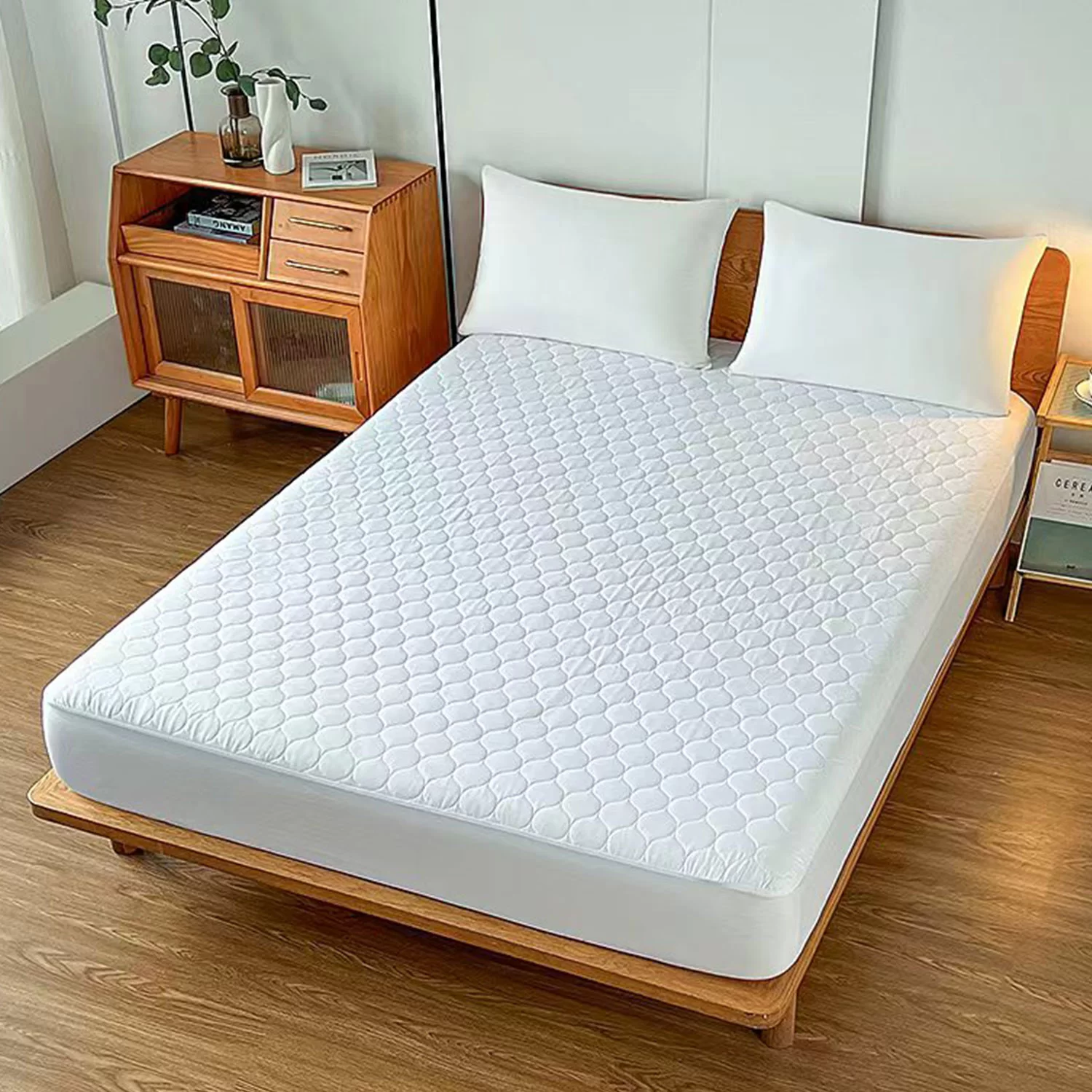
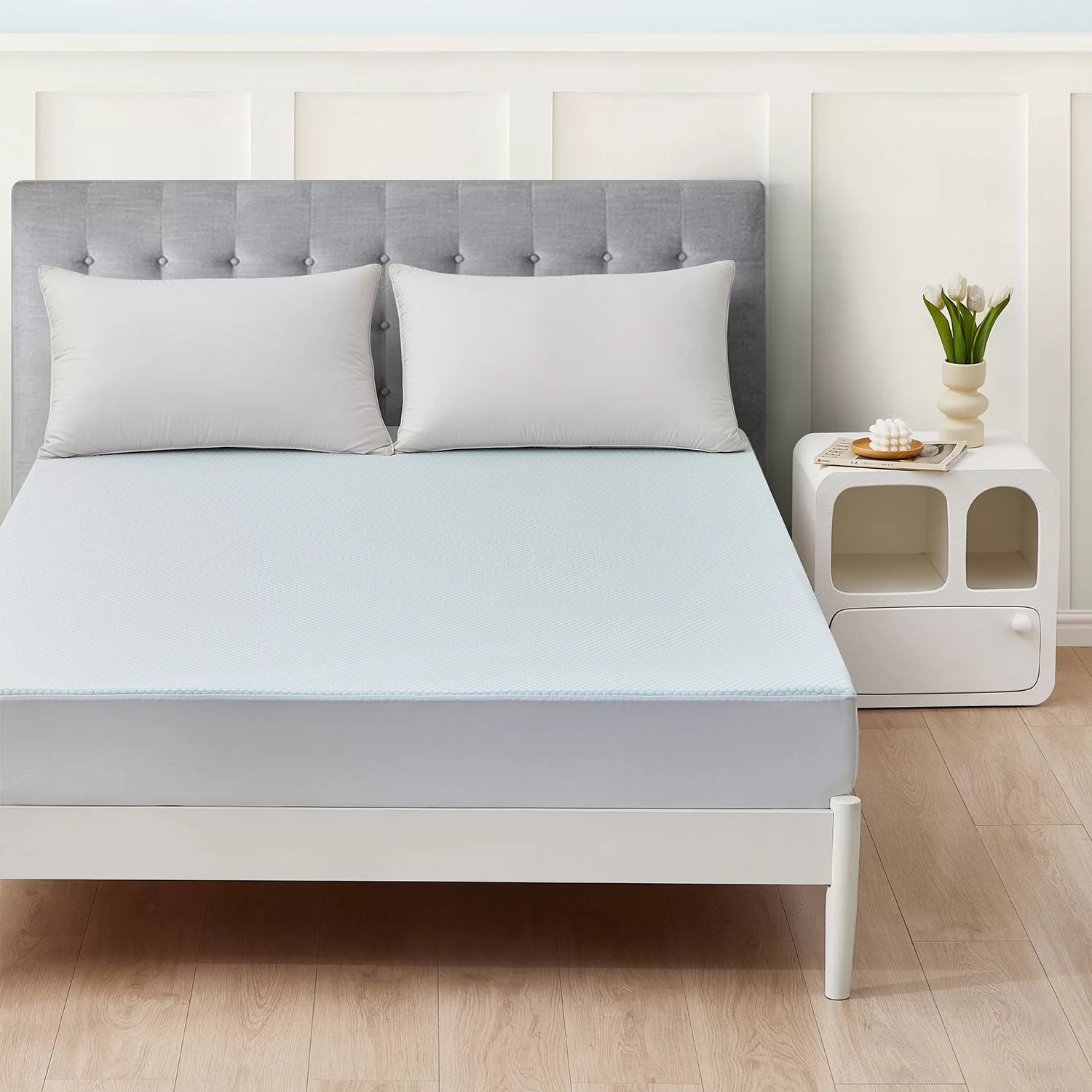
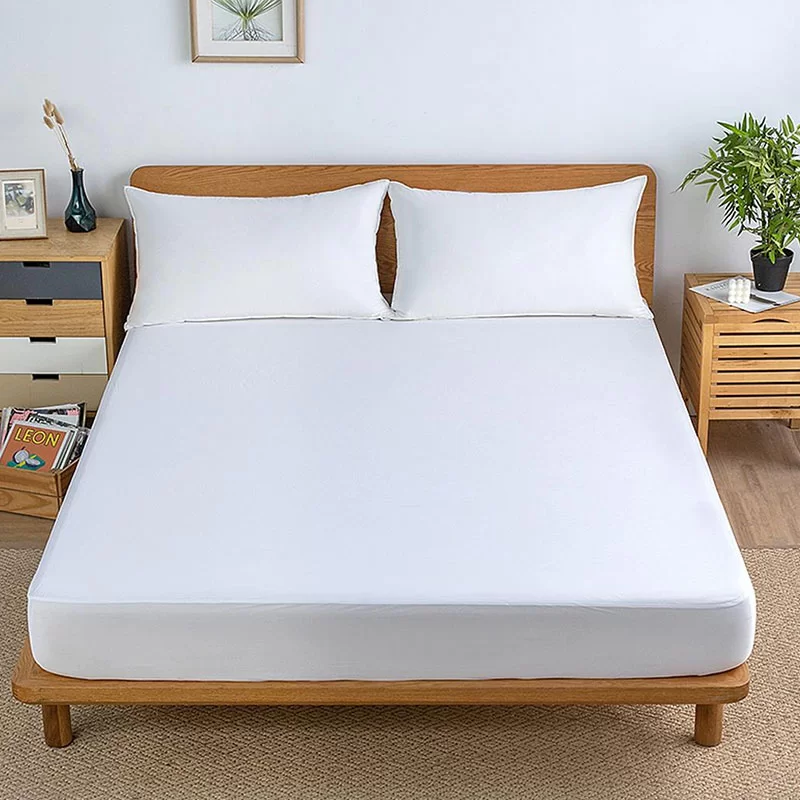
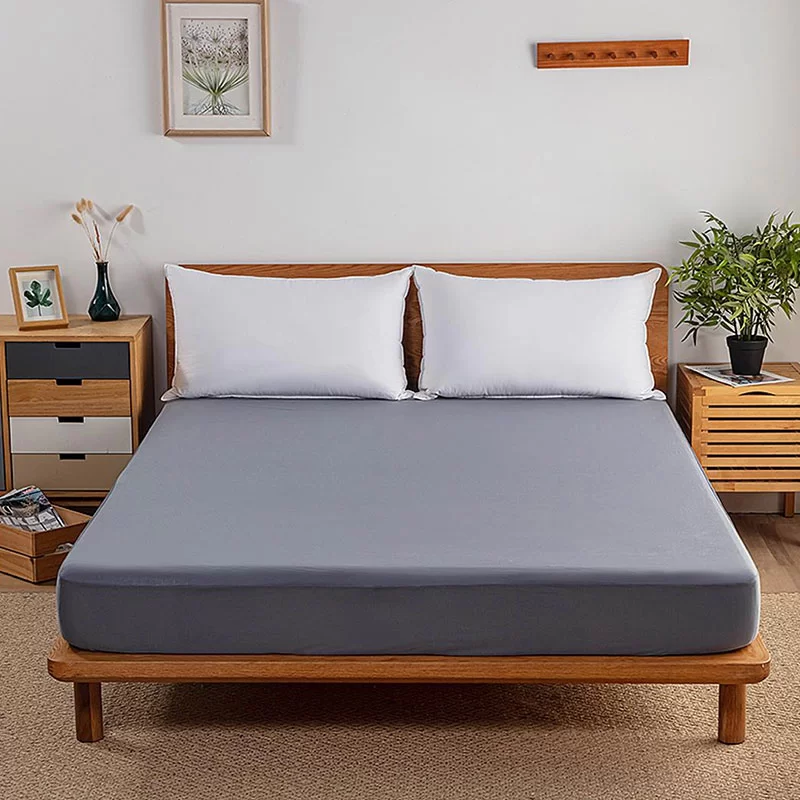


Top Quality Waterproof Bedding and Silk Flat Sheet Supplier
Maintaining mattress longevity in high-traffic environments like luxury hotels or sterile hospital wards requires more than standard bedding; it demands a technical barrier that balances absolute liquid protection with breathability. The shift toward ultrasonic bonding represents a significant leap in textile engineering, replacing traditional needle-and-thread seams with high-frequency sound waves. This innovation eliminates the microscopic puncture points common in stitched protectors, ensuring that spills, allergens, and fluids cannot penetrate the core of the mattress. For procurement managers sourcing durable bedding, understanding the intersection of TPU membrane technology and hypoallergenic fabrics is essential for reducing replacement costs and improving guest sleep quality.

The Engineering Behind Ultrasonic Seamless Bonding Technology
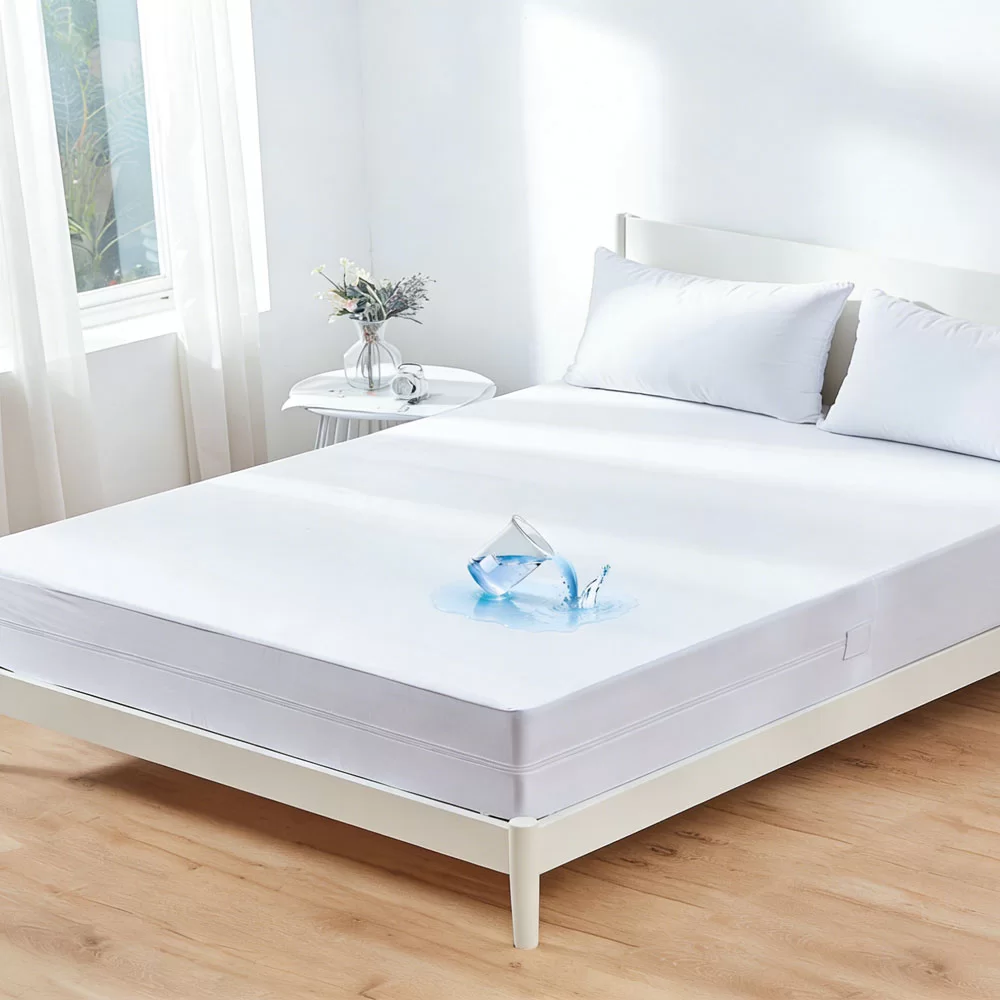
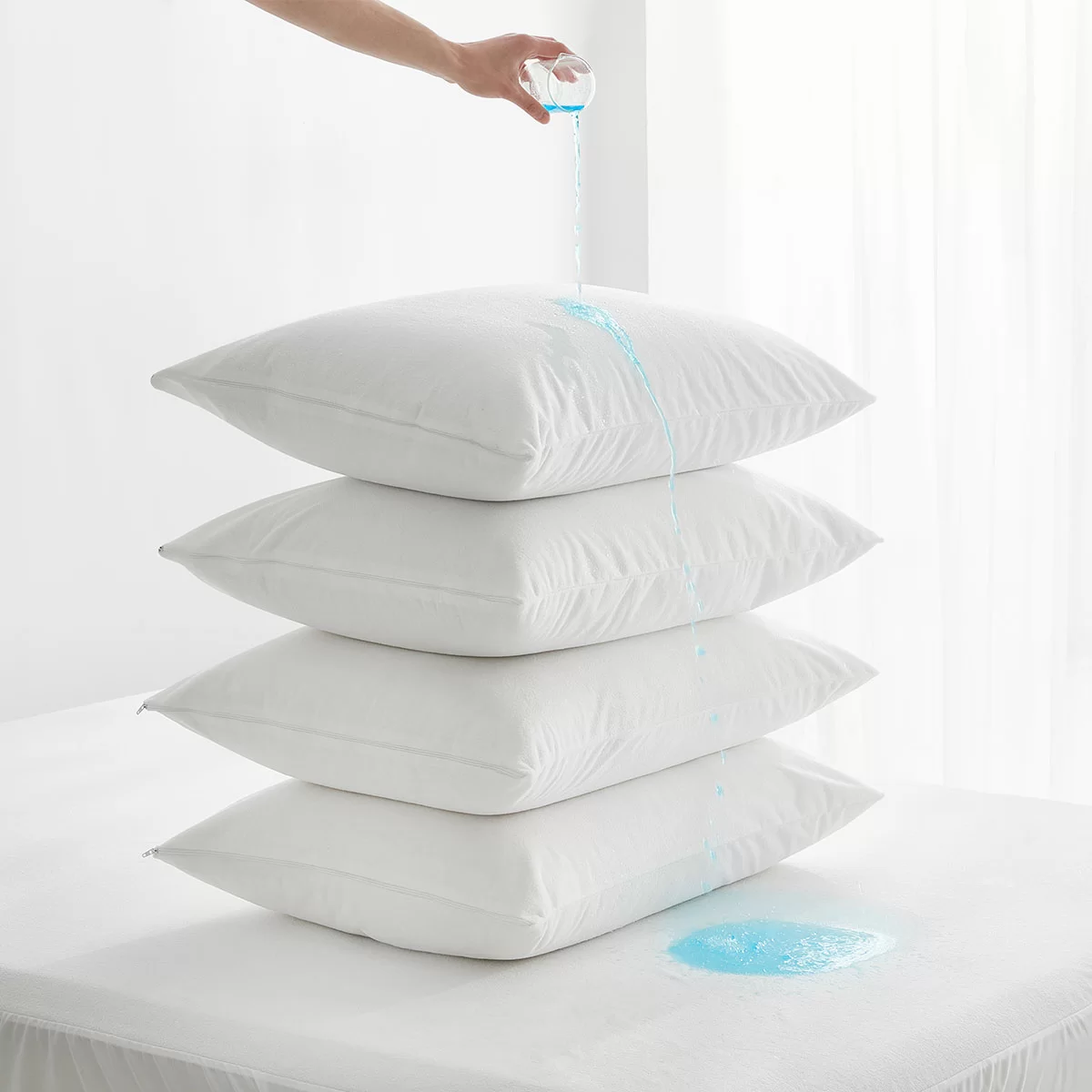
Unlike conventional mattress protectors that rely on stitching to join the fabric and the waterproof layer, ultrasonic technology uses high-frequency acoustic vibrations to create a molecular bond between materials. This process creates a truly seamless barrier, which is critical for medical and hospitality environments where liquid ingress at the seams can lead to mold, odors, and premature mattress degradation. By removing the need for needles, the structural integrity of the TPU (Thermoplastic Polyurethane) membrane remains intact across the entire surface area.
This seamless construction provides several operational advantages:
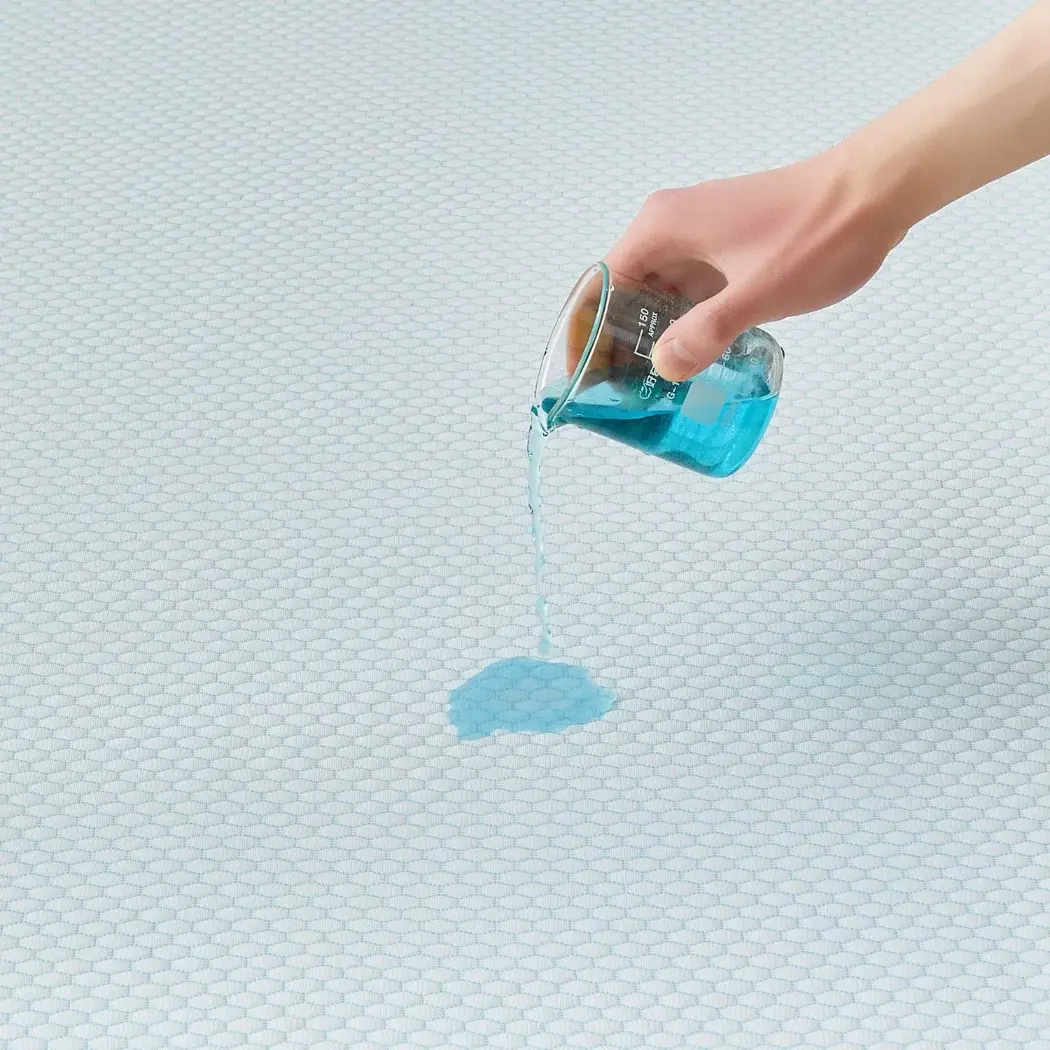
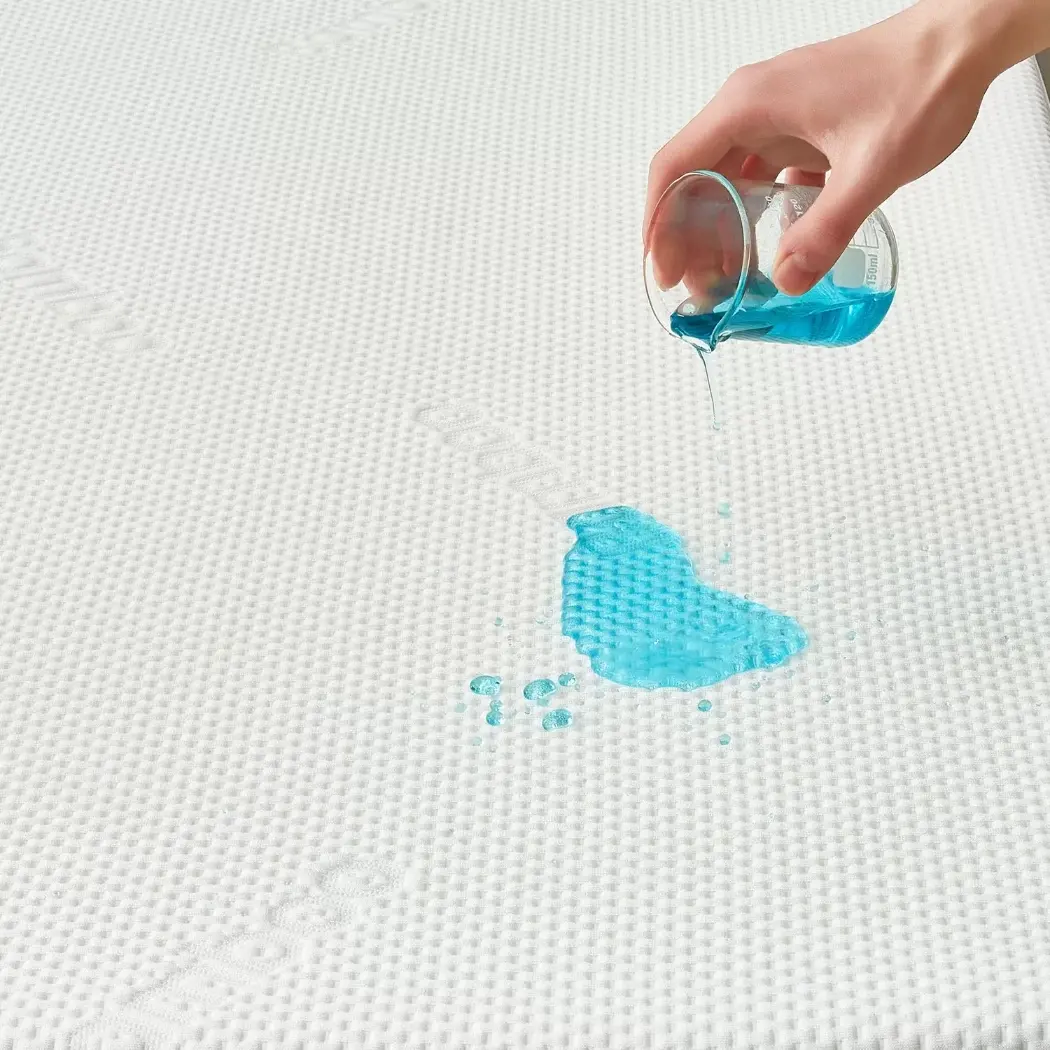
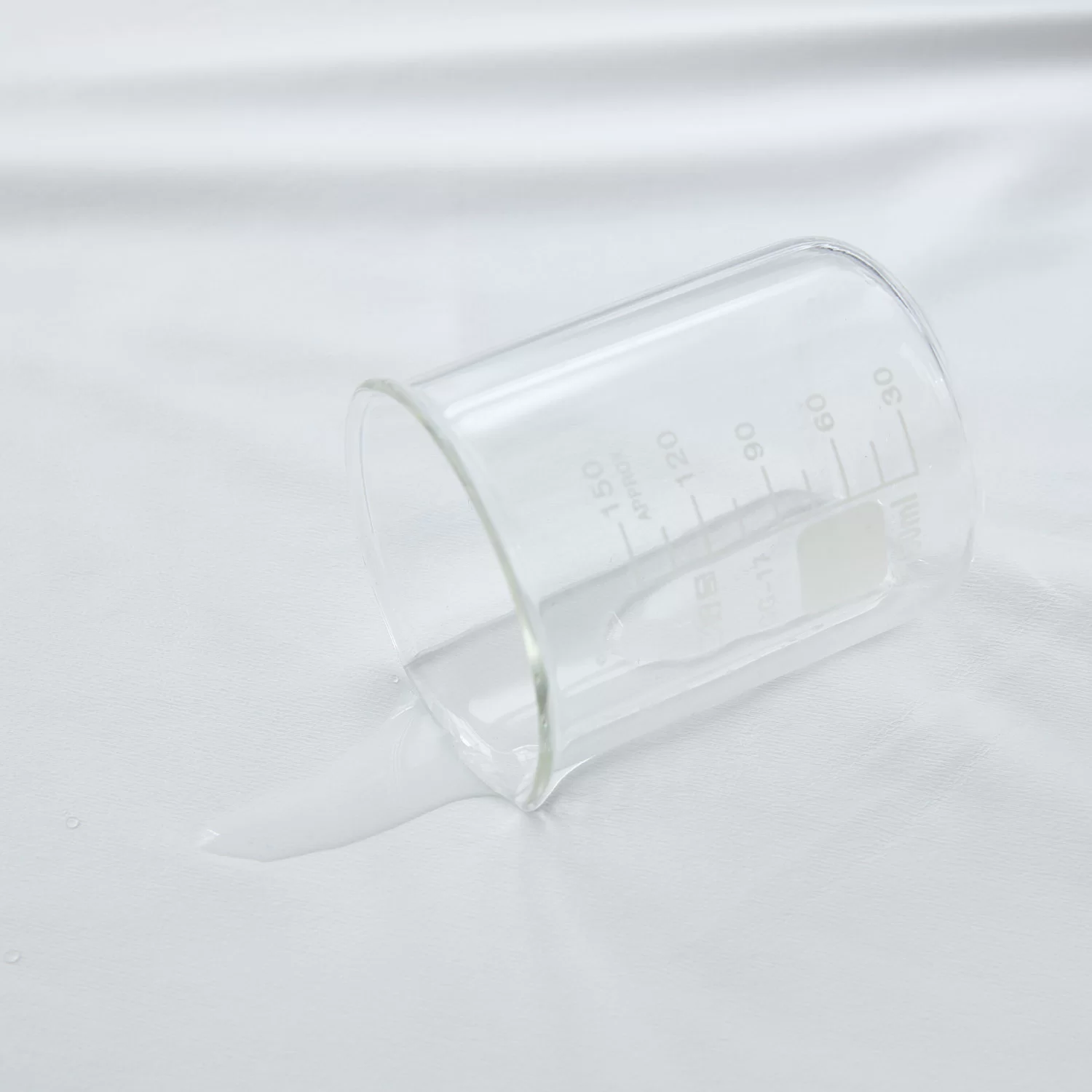
- Total Fluid Barrier: No stitching gaps mean 100% waterproof performance, protecting against accidental spills, sweat, and clinical fluids.
- Enhanced Durability: Ultrasonic bonds do not fray or unravel over time, significantly extending the product's lifecycle even after repeated industrial laundering.
- Allergen Blockage: The gap-free design prevents dust mites, pet dander, and bacteria from migrating into the mattress fibers, supporting a healthier sleep environment for asthma and allergy sufferers.

Optimizing Sleep Comfort Through Breathable TPU Membranes
A common challenge with waterproof bedding is the "plastic feel" and the noise associated with movement. To solve this, our protectors utilize an advanced, noiseless TPU membrane. This material is engineered to be microporous, allowing air molecules to circulate while blocking larger water molecules. This thermal regulation prevents the overheating typically associated with waterproof covers, ensuring a cool and dry sleep surface throughout the night.
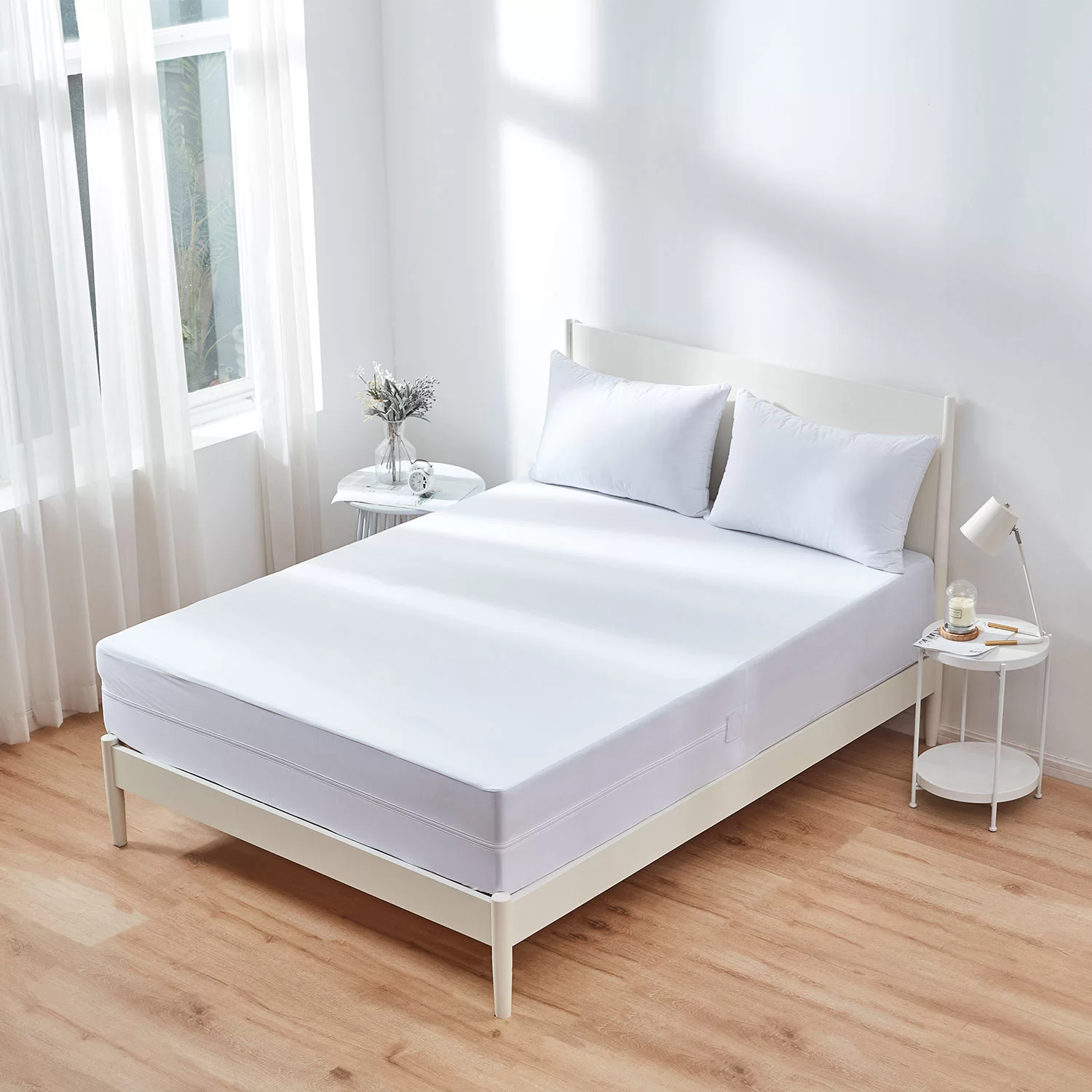
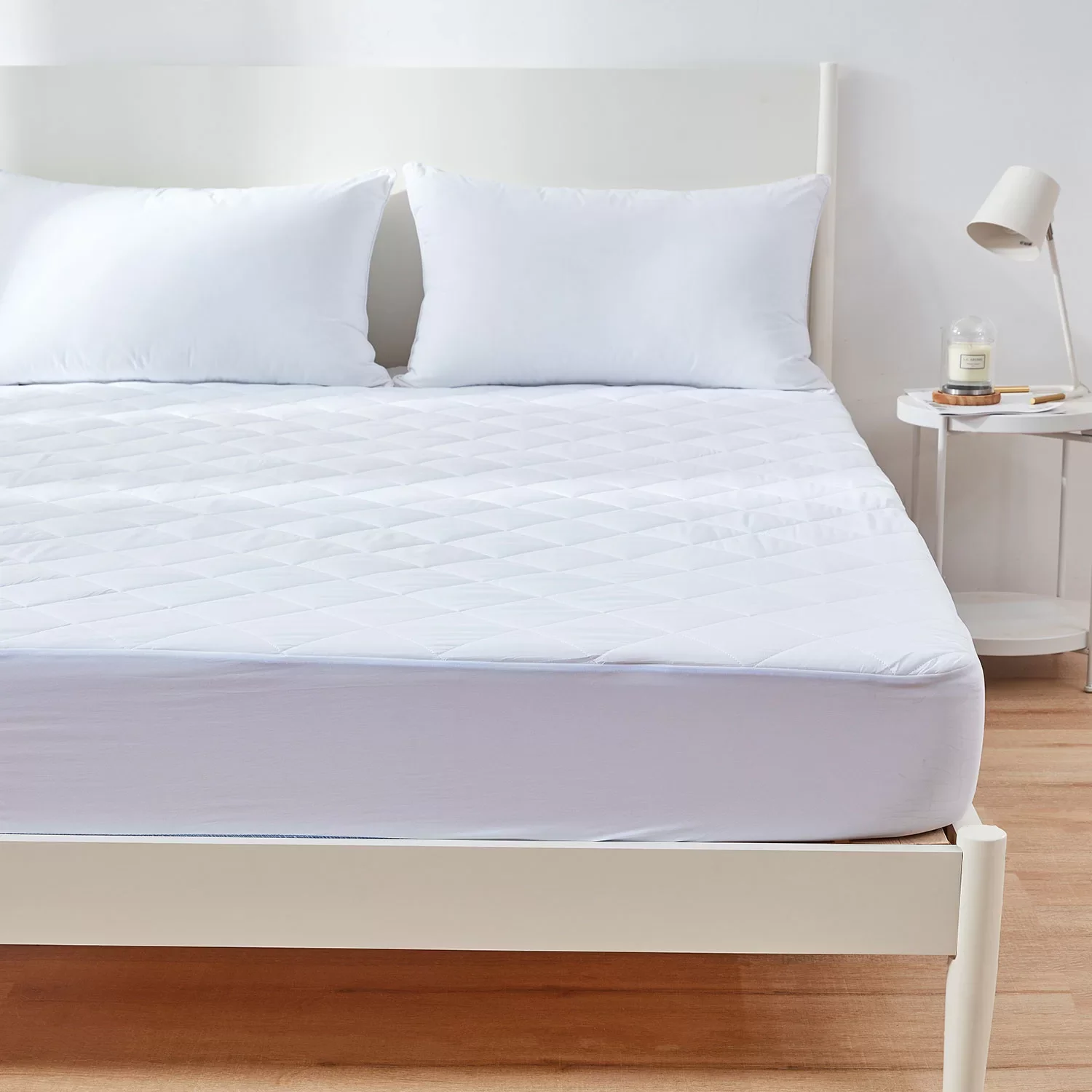
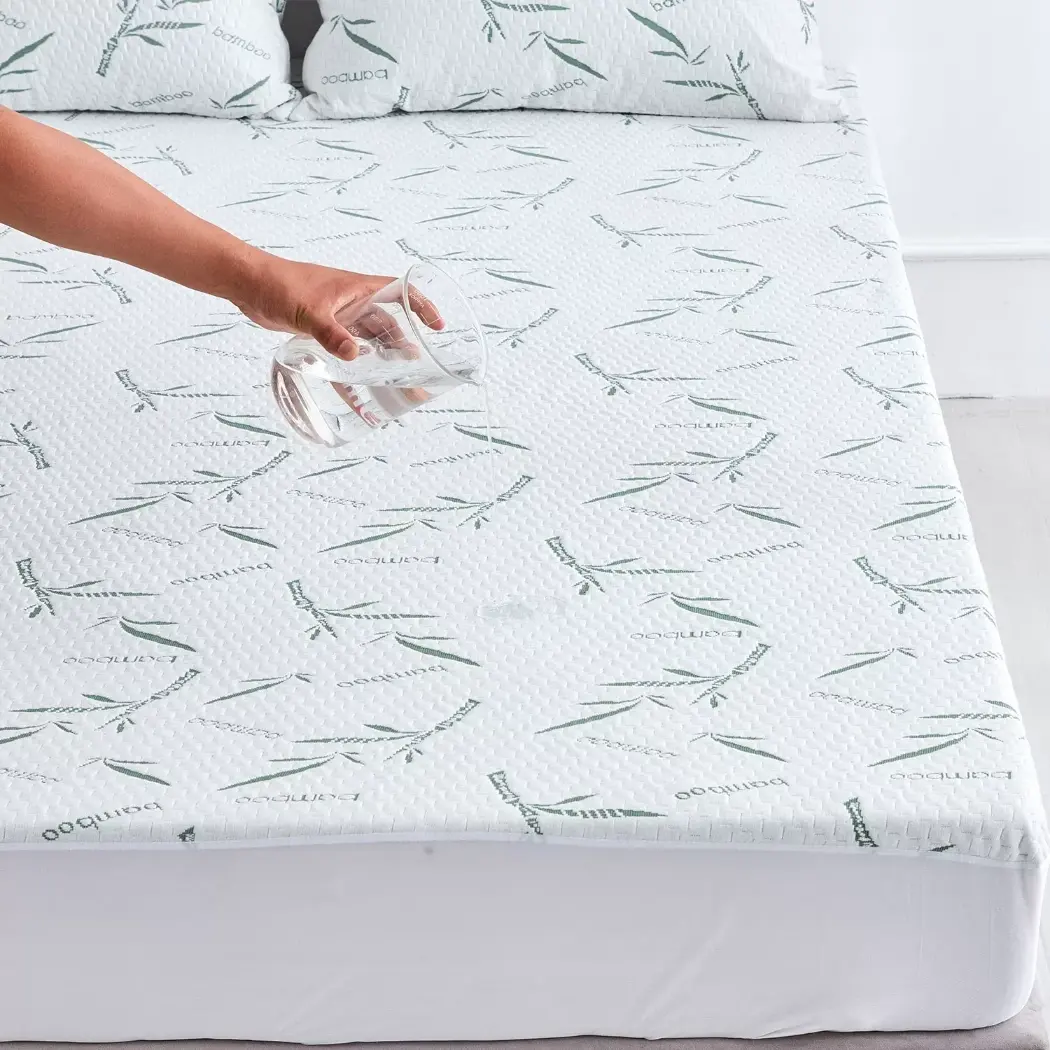
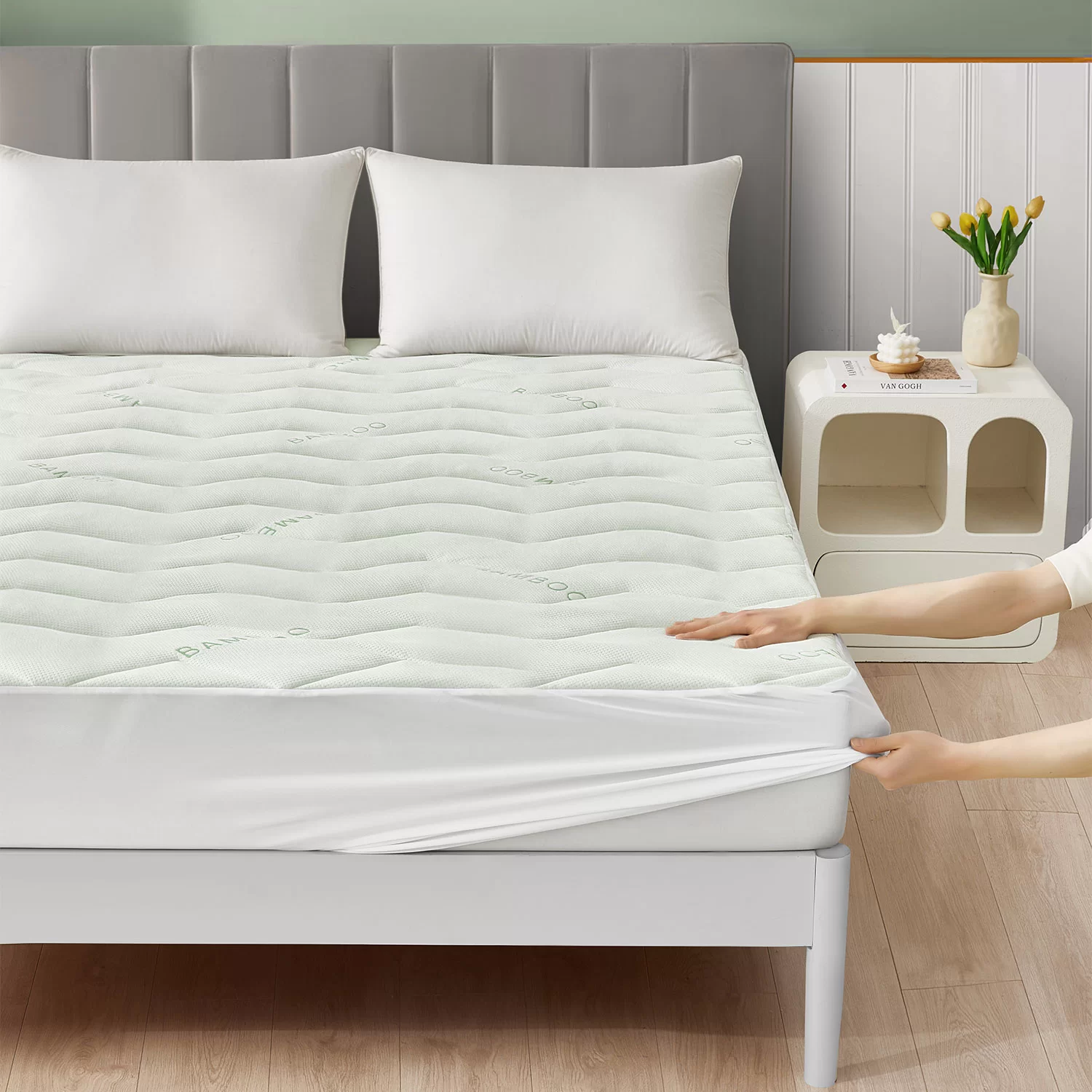
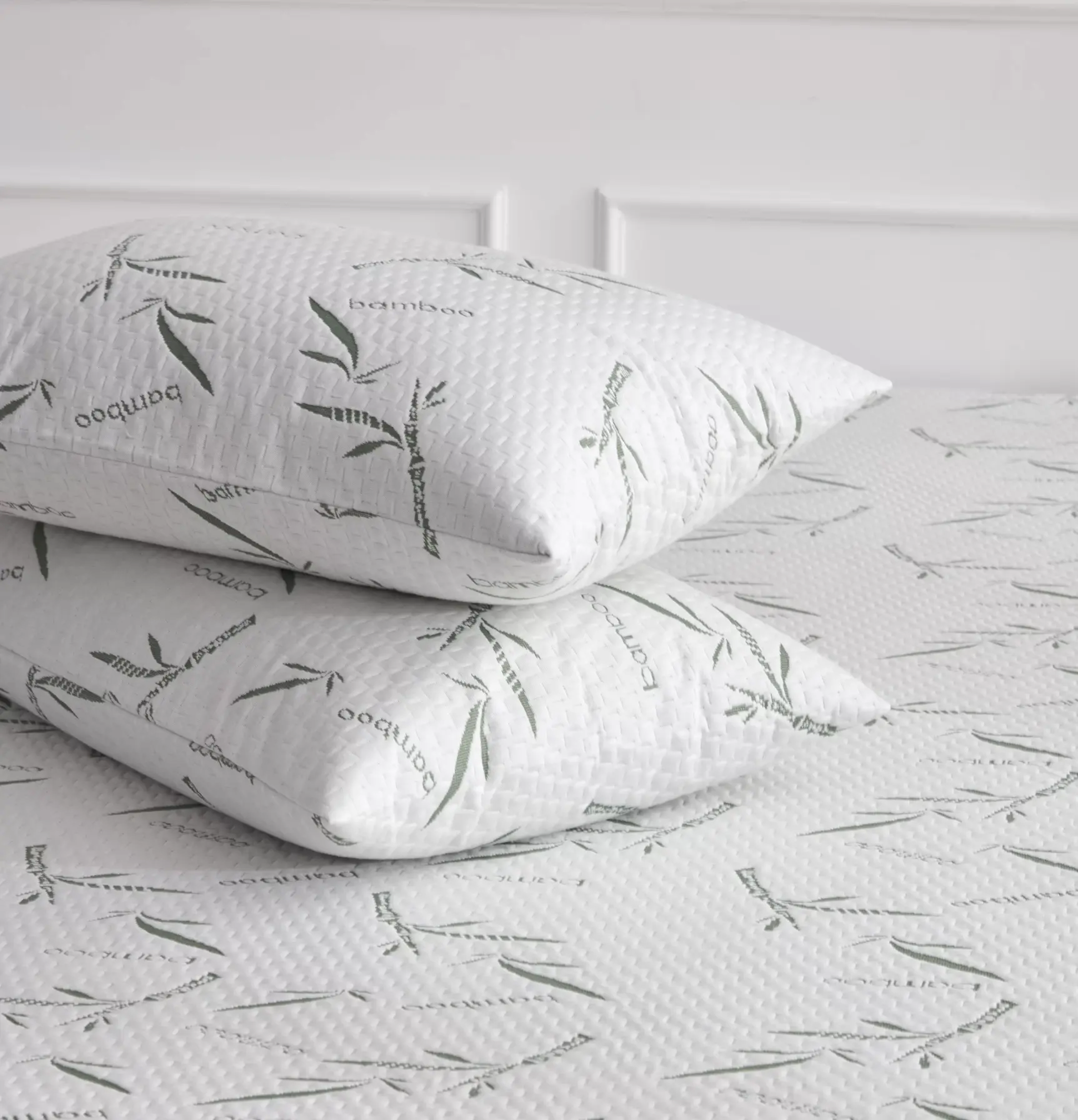
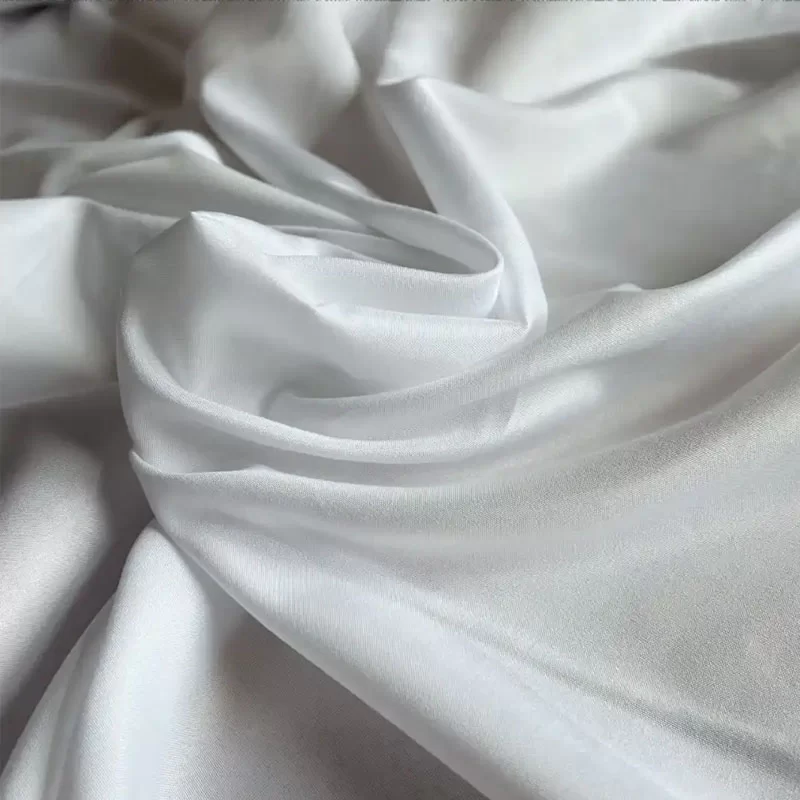
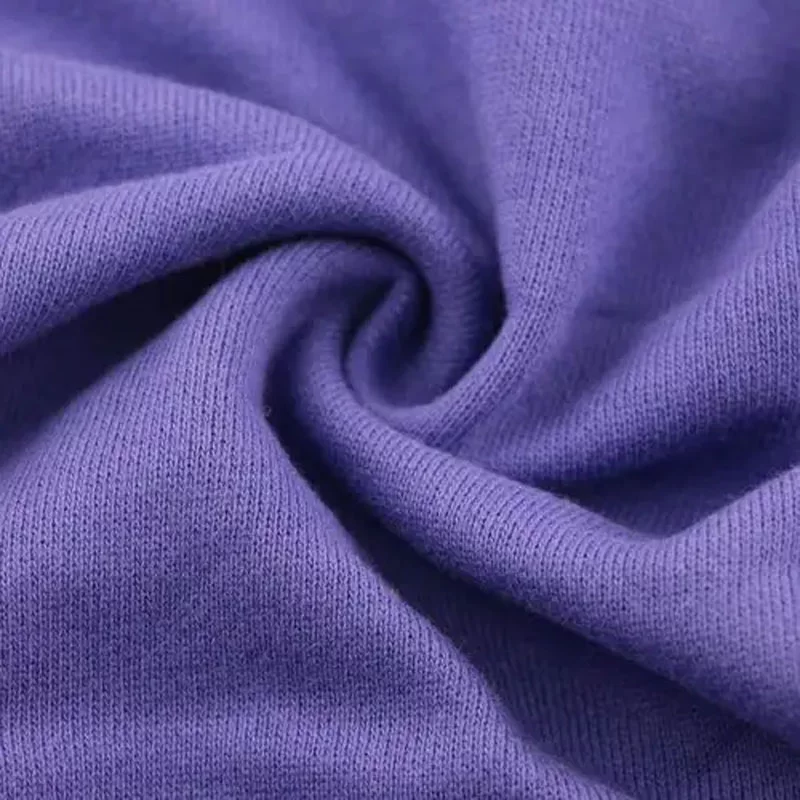
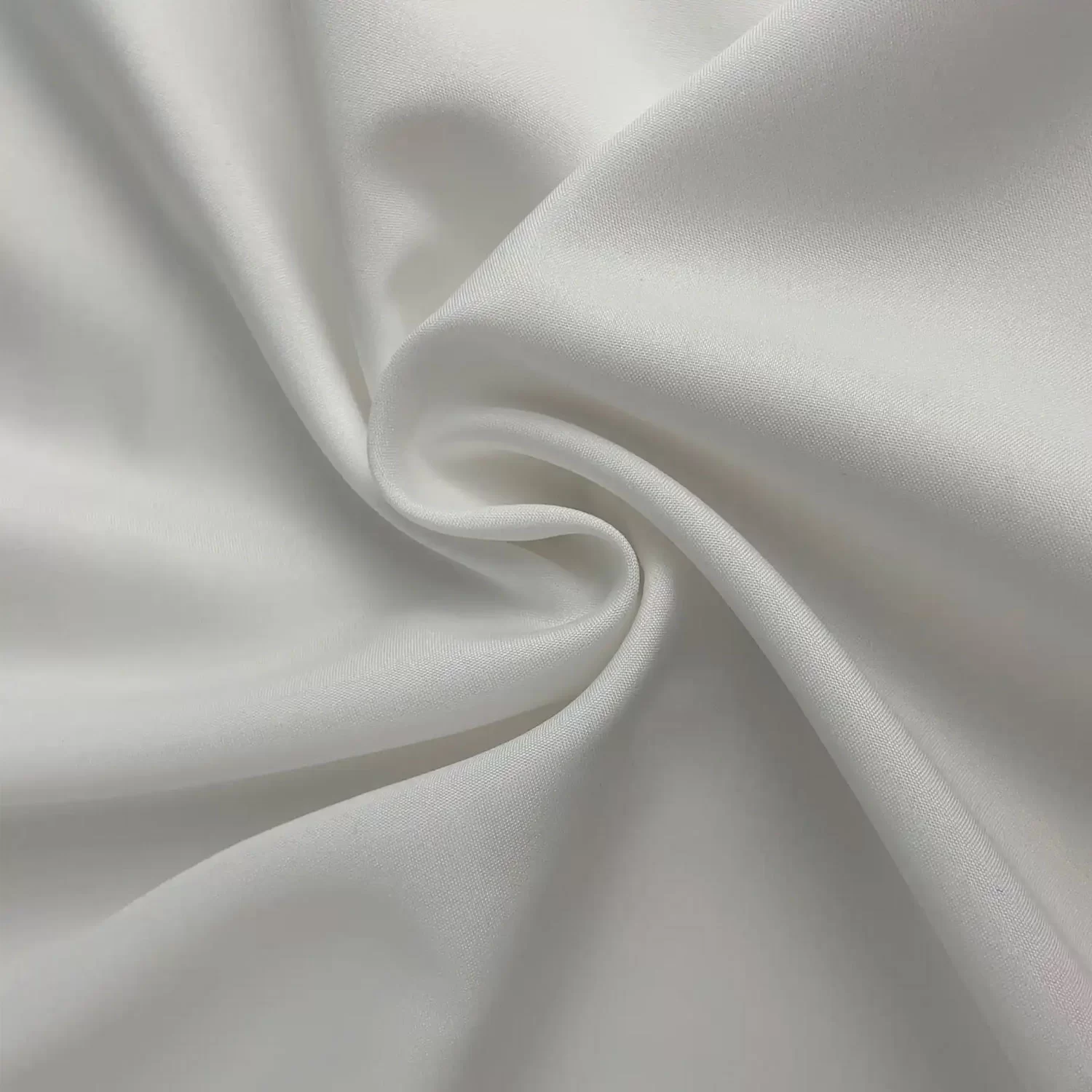
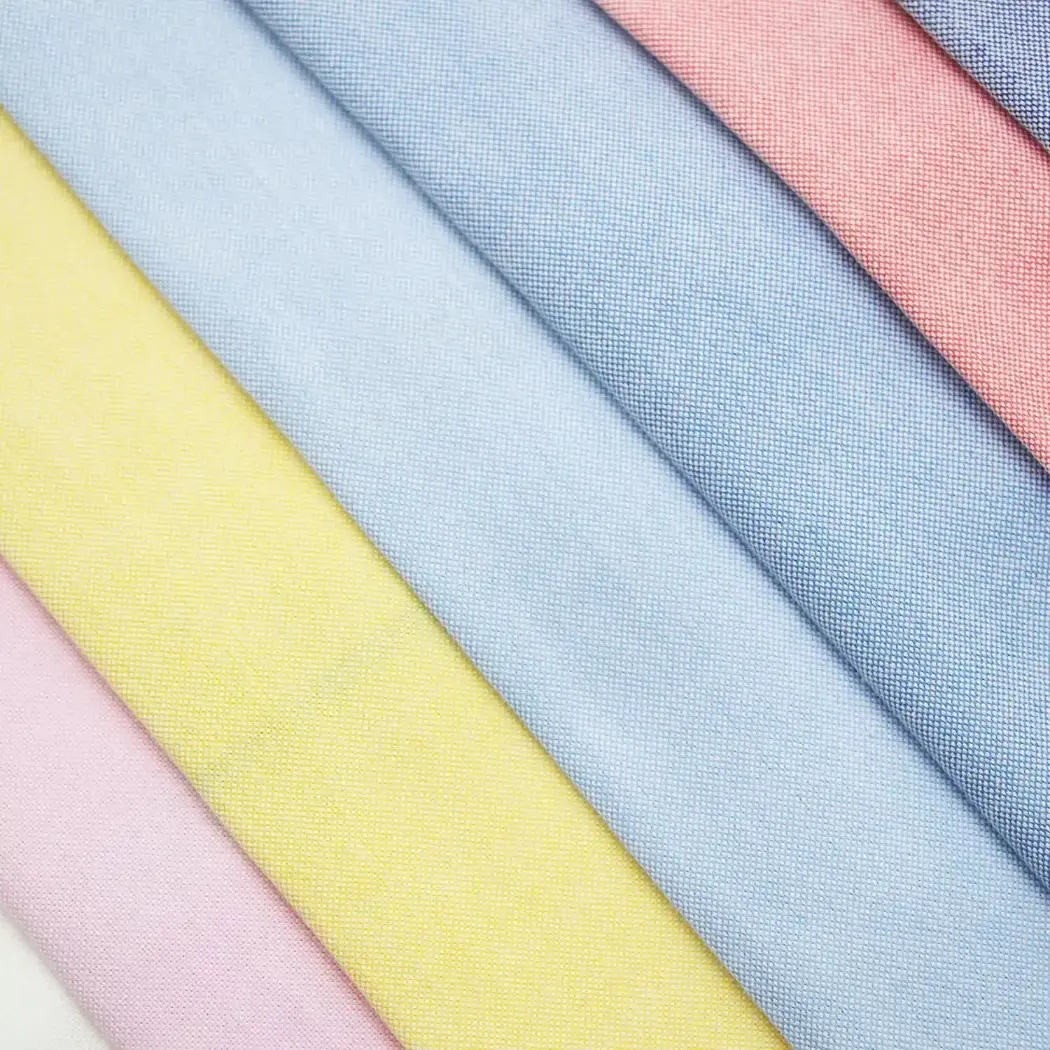
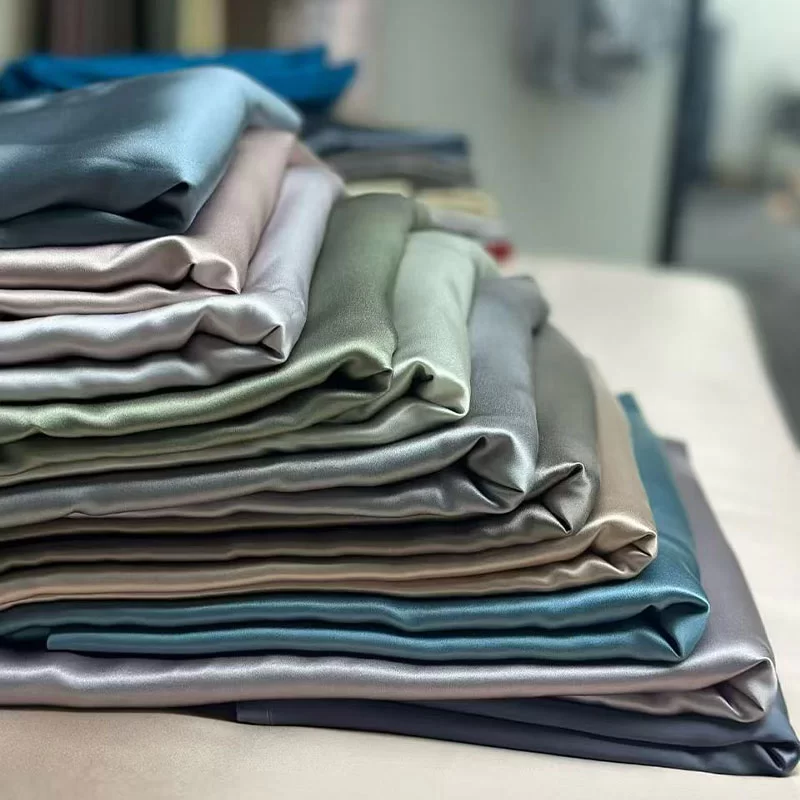
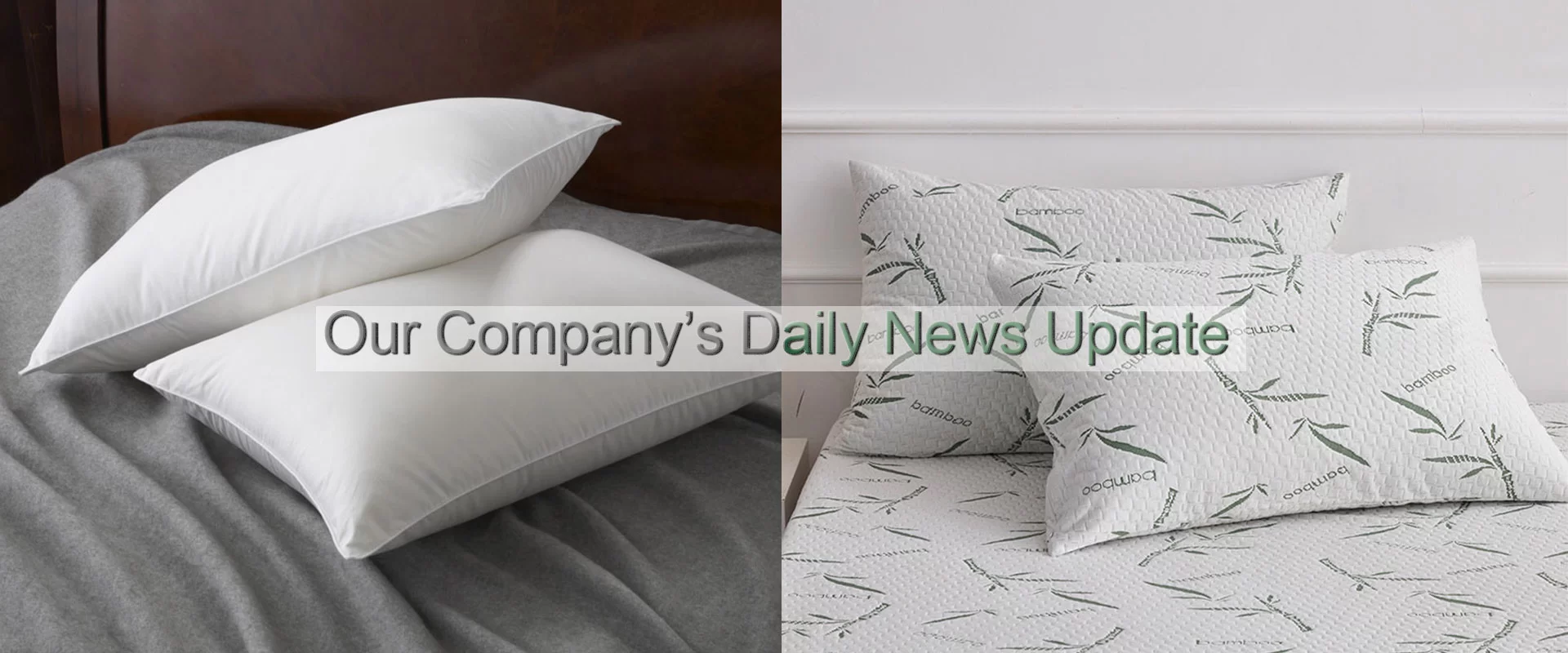
The top layer is available in various high-performance fabrics, including bamboo, microfiber, and cotton blends, which are OEKO-TEX certified. This ensures that the protector is not only functional but also hypoallergenic and soft to the touch. The addition of a 4-way stretch elastic skirt allows the protector to fit mattresses up to 18 inches thick securely, preventing the slipping and bunching that can disrupt a guest's sleep or complicate bed-making for housekeeping staff.
Strategic Application in Hospitality, Healthcare, and Home Care
The versatility of ultrasonic protectors makes them indispensable across different sectors. In the hotel industry, where turnover is high and mattress investment is significant, these protectors act as an insurance policy against stains and wear. In healthcare settings, the combination of hospital-grade hygiene and ease of maintenance—being fully machine washable—helps facilities adhere to strict sanitation protocols without sacrificing patient comfort.
For residential use, particularly in homes with children, pets, or elderly care needs, the protector offers peace of mind. The hypoallergenic properties ensure a safe environment for sensitive skin, while the effortless maintenance reduces the burden of laundry. Whether implemented in a boutique hotel or a private residence, the goal is to combine the luxury of high-end bedding with the rugged protection of industrial-grade materials.
Performance Comparison: Ultrasonic vs. Conventional Protectors
| Feature | Ultrasonic Protector | Stitched Protector | Plastic Cover |
|---|---|---|---|
| Liquid Protection | 100% Seamless Barrier | Risk at Stitch Lines | Total but Non-breathable |
| Sleep Noise | Silent / Noiseless | Moderate | High Crinkling Sound |
| Breathability | High (Air-layer) | Medium | Very Low |
| Wash Durability | 100+ Cycles | Fraying at Seams | Cracks Over Time |
| Mattress Life | Extends Significantly | Moderate Protection | Low (Traps Heat) |
Evaluating Supplier Capabilities for Bulk Bedding Procurement
When selecting a silk flat sheet supplier or a mattress protector manufacturer, procurement officers must look beyond the initial price point. The key is to evaluate the supplier's control over the raw material chain and their quality assurance protocols. A supplier located near the source of raw materials, such as the cotton-rich region of Yuanshi, can offer better cost-efficiency and quality control over the fabric's GSM and thread count.
Crucial evaluation criteria include:
- Customization Flexibility: The ability to provide OEM/ODM services for specific dimensions (EU/US standards), custom logos, and varied fabric weights (60gsm to 400gsm).
- Quality Certification: Adherence to standards like ISO9002 and OEKO-TEX ensures that the products are safe for global export and meet international health regulations.
- Production Scale: The capacity to handle high-volume bulk orders through dedicated factories ensures consistent delivery timelines for large hotel chains or hospital networks.
Future Trends in Bedding Protection and Sustainable Sourcing
The bedding industry is moving toward a "hybrid" approach where high-performance protection meets sustainable materials. We are seeing an increase in demand for bamboo-based air-layers and organic cotton blends that reduce the environmental footprint without compromising the waterproof integrity of the TPU membrane. The integration of antimicrobial treatments into the fabric layer is also becoming a standard requirement for healthcare procurement.
Moreover, the longevity of the product is becoming a sustainability metric. By extending the life of a mattress through seamless protection, hotels and hospitals reduce the volume of bulky waste entering landfills. Investing in protectors with a guaranteed waterproof lifespan—even after 100+ washes—is no longer just a quality preference but a strategic move toward sustainable operational management.
Technical FAQ on Waterproof Bedding Solutions
What is the difference between ultrasonic and stitched mattress protectors?
Ultrasonic technology uses high-frequency sound waves to bond layers together without needles or thread. This eliminates the small holes created by stitching, providing a truly seamless, 100% waterproof barrier that prevents liquids from leaking through the seams.
Is the waterproof membrane breathable and noisy?
No. We use a specialized TPU membrane that is engineered to be noiseless and breathable. Unlike old-fashioned plastic covers, it doesn't make crinkling sounds when you move and allows air to circulate, keeping you cool throughout the night.
How do I clean the ultrasonic mattress protector?
It is very easy to maintain. Simply machine wash cold and tumble dry on low heat. The ultrasonic bonds are durable and will not unravel or lose their waterproof properties after repeated washing.
Will this protector fit a very thick mattress?
Yes, our protectors are designed with a 4-way stretch elastic skirt and deep pockets that can securely fit mattresses up to 18 inches thick, ensuring a snug fit that won't slip.
Is it safe for people with skin allergies or asthma?
Absolutely. Our protectors are made from hypoallergenic, OEKO-TEX certified materials. They block dust mites, pet dander, and other allergens, creating a healthier sleep environment for allergy sufferers.
Can I customize the size or fabric for bulk hotel orders?
Yes, we offer comprehensive customization services. You can choose from various fabrics (Bamboo, Cotton, Microfiber), customized GSM, specific dimensions (EU/US standards), and add your own brand logo.
Industry Technical References
- ISO Quality Management Standards for Textiles
- OEKO-TEX Standard 100 Certification Guidelines
- Research on Hypoallergenic Bedding in Healthcare
- Innovations in Ultrasonic Fabric Bonding
Whether you are upgrading a luxury hotel suite or equipping a medical facility, the right protection is an investment in longevity and hygiene. Contact us today to discuss custom specifications for your bedding project.
Related Bedding Industry Insights